



Is Your Sacroiliac Joint Causing Your Lower Back Pain?
November Newsletter · Back Health
Is Your Sacroiliac Joint Causing Your Lower Back Pain?
Main Feature
One of the reasons back pain is such a common medical complaint (most people will experience it at least once in their lives) is because it has so many different potential causes. Most people are familiar with the common ones, like a strained back muscle or a herniated disc.
But sometimes, back pain isn’t really back pain–at least not how we generally conceive it. While you might experience pain or discomfort in your lower back, the actual source of the pain might be a little lower, in your sacroiliac joint.
At Anders & Associates Physical Therapy, our team of physical therapists understands that the best way to resolve back pain is to determine where that pain is coming from. Thanks to our comprehensive assessments, we can help you determine if your lower back pain is actually a symptom of problems with your sacroiliac joint –and then provide you with a targeted treatment to help resolve it.

The Sacroiliac Joint: What It Is and What Can Go Wrong
The SI joints allow you to transfer weight between your upper and lower body.
The sacroiliac (SI) joint connects your spine to your pelvis. You have two of them, one on each side. They’re connected to the sacrum, a small triangular bone at the base of your spine.
The SI joints allow you to transfer weight between your upper and lower body. However, the joints themselves don’t move all that much, and they’re located fairly deep in your pelvic structure, surrounded by strong ligaments and muscles.
There are two reasons why your sacroiliac joint might cause your pain:
- Sacroiliac joint dysfunction occurs due to biomechanical issues in your SI joint. It’s particularly common during pregnancy, as the sacroiliac joint is “loosened up” in preparation for childbirth (hypermobility). However, an overly restricted sacroiliac joint can also cause issues (hypomobility).
- Sacroiliitis refers to an SI joint inflammation due to osteoarthritis, hormonal changes during pregnancy, or injury.
Both conditions can cause similar symptoms. The biggest difference between the two is the presence of inflammation, as there are no inflammatory processes with SI joint dysfunction.

Issues with Your SI Joint? How to Tell
It can be difficult to determine if you’re struggling with SI joint issues or lower back pain, as they can cause similar symptoms. If you’re struggling with any pain or discomfort in your back or buttocks, your best bet is to schedule an appointment with our physical therapists. We can help you get to the bottom of things.
That said, here are some of the common signs of SI joint issues:
- You experience pain directly over your buttocks.
- The pain seems to stem from deep inside your body.
- You’ll notice pain when sitting, lying down, or climbing stairs. In fact, you may have trouble sitting for long periods due to the pain.

Treating SI Joint Pain: What To Expect
We’ll begin with a comprehensive physical exam to help us determine the exact source of your pain, including confirming if the SI joint is involved at all. Once we understand your unique situation, our experts will develop your customized treatment program. Here’s what you might expect:
Pain Management: We’ll find a solution that suits your needs. Spinal mobilizations and other manual therapy techniques can help if your pain stems from immobility. Hot and cold therapy can help manage pain and inflammation.
Mobility Exercises: If applicable, we can guide you through targeted exercises to improve the flexibility and mobility in your SI joint.
Strengthening Exercises: One of the best ways to address SI pain is to strengthen your core and gluteus muscles, both of which support and stabilize the SI joint. Our therapists will develop an exercise program appropriate to your needs and ensure you perform all exercises correctly.
Prevention Tips: Finally, we’ll work with you to help you adopt a physically active lifestyle, which can help reduce and prevent SI dysfunction.
2
SI joints, one on each side, connecting your spine to your pelvis
What’s Causing Your Back Pain?
You don’t have to put up with persistent pain, whether it’s in your back, buttocks, or radiating down your leg! The physical therapists at Anders & Associates Physical Therapy will dig down deep to determine the underlying source of your pain, no matter what it is.
Ready to get started? Call us to schedule an appointment today!
Exercise of the Month
BIRD DOG
(Core, Lower Back, Glutes)
Start on your hands and knees on a mat or table. Brace your abdominals and keep your back flat. Slowly raise one arm straight out in front of you while simultaneously raising your opposite leg back behind you until both limbs are straight and parallel with the ground. Lower them back down and repeat with your other limbs.
Recipe of the Month
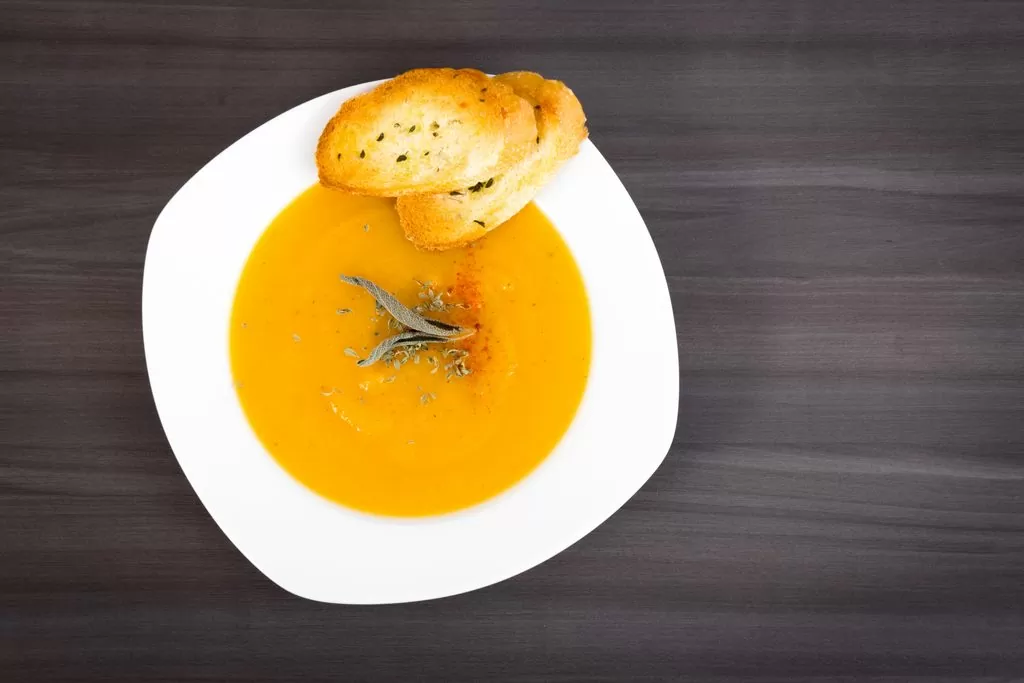
Creamy Turnip Soup
In this healthy turnip soup recipe, the humble turnip is transformed into a velvety soup made creamy with just 1 tablespoon of butter. Serve it as a starter or side soup.
Ingredients
- 4 medium turnips (about 1 1/2 pounds) plus 1 1/2 cups thinly sliced turnip greens or spinach, divided
- 2 tablespoons extra-virgin olive oil, divided
- 1 tablespoon butter
- 1 medium onion, sliced
- ½ teaspoon dried rosemary
- ½ teaspoon salt plus a pinch, divided
- ¼ teaspoon freshly ground white pepper plus a pinch, divided
- 4 cups reduced-sodium chicken broth
- ¼ cup shredded carrot
- 2 tablespoons thinly sliced scallion greens
- 2 teaspoons white-wine vinegar
Instructions
- Peel and slice turnips. Heat 1 tablespoon oil and butter in a large saucepan over medium heat. Add onion and cook, stirring, until beginning to brown, about 5 minutes. Add the turnips, rosemary, 1/2 teaspoon salt and 1/4 teaspoon white pepper; stir to combine. Cover and cook, stirring once or twice, for 10 minutes.
- Add broth, increase heat to high and bring to a boil. Reduce heat to maintain a simmer, cover and cook until the turnips are tender, 10 to 12 minutes more.
- Meanwhile, toss the turnip greens (or spinach) in a medium bowl with carrot, scallion greens, vinegar, the remaining 1 tablespoon oil and pinch of salt and pepper.
- Puree the soup in the pan using an immersion blender or transfer to a countertop blender and blend until smooth. (Use caution when pureeing hot liquids.) Serve each portion of soup topped with a generous 1/4 cup of the salad.
North Las Vegas · Sky Pointe
Ready to Get to the Bottom of Your Back Pain?
Whether it’s your lower back, your SI joint or both, our team will build a plan around your goals.
North Las Vegas
2690 Deer Springs Way Suite 104
North Las Vegas, NV 89084
Sky Pointe
6620 Sky Pointe Drive Suite 130
Las Vegas, NV 89131
Share Your Experience
Had a Great Visit With Our Team?
Your review helps neighbors, service members and their families find the care they need.