

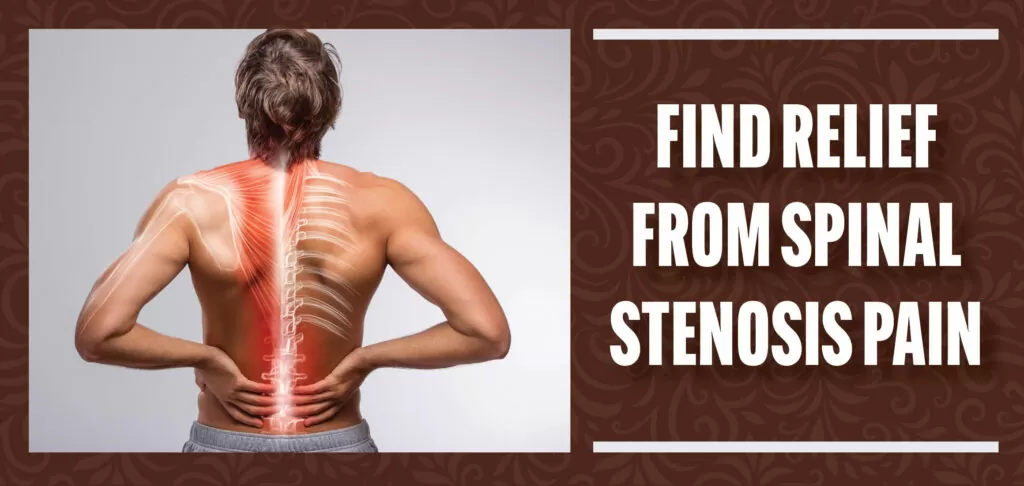
Find Relief From Spinal Stenosis Pain
One of our patients (let’s call her Sally) was in her late 60s when she started to experience numbness and weakness in her legs. While she’d been diagnosed with osteoarthritis of the back a few years earlier, she’d never experienced these symptoms before.
Unfortunately, the combination of these new symptoms with her osteoarthritis pain was really impacting her quality of life. She struggled to walk and found that the new symptoms lessened when she sat down–making it much harder for her to stay active, which was crucial in managing her OA pain.
Eventually, Sally reached out to us at Anders & Associates Physical Therapy, as we had helped address her osteoarthritis symptoms. There, she learned that she had developed spinal stenosis, a narrowing of the spinal canal.
The good news is that physical therapy helped manage her spinal stenosis symptoms, just as it helped manage her OA symptoms. With a comprehensive pain management program and some adjustments to her exercise plan, Sally was active and thriving once again.
What Exactly Is Spinal Stenosis?
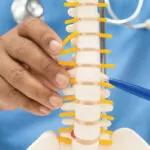
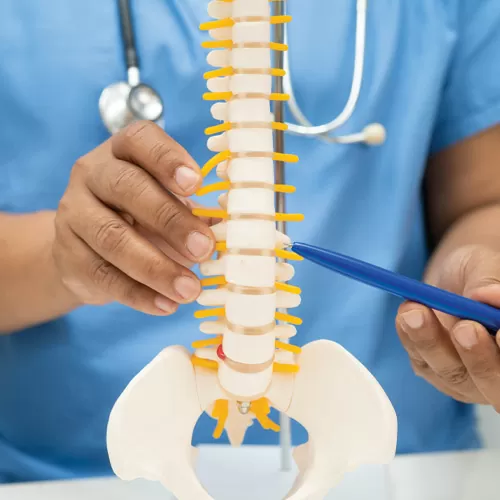
Your spine is made up of several vertebrae stacked on top of each other. Each of these vertebrae is hollow in its center, forming your spinal canal–a column through which your spinal cord runs.
Spinal stenosis occurs when a section of the hollow space in your vertebrae narrows. This puts pressure on your spinal cord and causes your symptoms.
Spinal stenosis can develop anywhere in your spine, but most people will develop it in their cervical spine (neck) or lumbar spine (lower back). Your symptoms will vary based on which part of your spinal column has narrowed.
Symptoms of Cervical Spinal Stenosis
- Neck pain
- Numbness and tingling that radiates from your neck and down into your arms, wrists, and hands
- Weakened arm or hand strengths
Symptoms of Lumbar Spinal Stenosis
- Lower back pain
- Burning or aching pain that radiates down into your legs and worsens when you’re standing up
- Numbness or tingling of the legs and feet that, again, worsens when standing
- Weakness in your lower extremities
Spinal stenosis can develop for a variety of reasons. Perhaps the most common is simply aging. Your spinal structure changes as you get older, and those changes can lead to the compression that closes in on the spinal cord.
Osteoarthritis, itself a degenerative condition, can also contribute to spinal changes that lead to spinal stenosis, including the development of bone spurs on the spine.
However, other conditions can contribute to spinal stenosis, too, including spinal injuries and bone diseases.
Relieving Spinal Stenosis Symptoms with Physical Therapy
Like other degenerative conditions, spinal stenosis can’t be cured–but, as Sally discovered, you can manage your symptoms and live a rich, active life. Physical therapy at Anders & Associates Physical Therapy helps you get there.
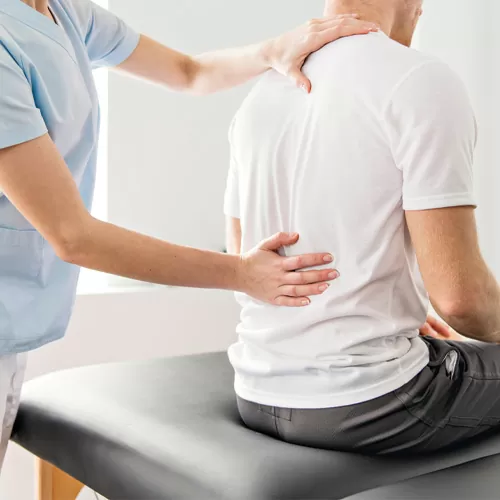
We’ll work closely with you to develop a personalized treatment plan that addresses your unique needs and goals. The details of every plan will vary, but we employ therapeutic exercise as a base–movement is one of the best ways to manage spinal stenosis discomfort.
Here’s what might be included in your plan:
We’ll show you movements or postural corrections that can help relieve pressure from your spine, minimizing discomfort.
We can also help with immediate pain relief using manual therapy and/or pain-relieving modalities.
Gentle stretches can help improve the range of motion in your back, arms, and legs.
Building strength throughout your trunk and extremities helps support and stabilize your spine, removing pressure from the impacted area.
Finally, we’ll help you develop a tailored exercise program that will help ease you back to regular physical activity (like walking).
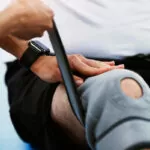
For some people, a back brace will help support the spine, allowing you to move and exercise more easily. People with extremely weak core muscles may benefit from temporary or limited use to help with daily function while building their strength.
Suspect Spinal Stenosis? Make Your Appointment Today
Because spinal stenosis resembles other age-related conditions, it’s essential that you undergo a comprehensive exam to confirm what exactly is causing your discomfort. The Anders & Associates Physical Therapy therapists will discuss your health history and symptoms before conducting several movement screens to confirm your diagnosis.
So, if you’ve been struggling with spinal pain and radiating numbness, call us for an appointment. We’ll dig down to the root cause of your symptoms–and help you find lasting relief.
Your Progress Matters To Us!
Return to Anders and Associates Physical Therapy and Let’s Continue Your Journey to Wellness Together. Schedule Your Appointment Now!


Ingredients
- 1 (32-ounce) can whole tomatoes, drained
- 1 cup fresh basil leaves
- 4 tablespoons extra-virgin olive oil
- 6 cloves garlic, peeled
- Kosher salt
- Freshly ground black pepper
- 2 large French baguettes, sliced into 1-inch slices (about 36 slices)
- 1½ pounds fresh mozzarella cheese, sliced ¼-inch thick
Directions
- Preheat oven to 375°F.
- In a food processor, combine the drained tomatoes, basil, olive oil, and 2 garlic cloves. Pulse until smooth but still slightly chunky.
- Season the tomato mixture with kosher salt and freshly ground black pepper.
- Arrange the baguette slices on a baking sheet and toast for about 3 minutes.
- Rub the toasted side of each slice with the remaining garlic cloves.
- Top each slice with a piece of fresh mozzarella and return to the oven for about 45 seconds, just until the cheese softens.
- Spoon about 1 tablespoon of the tomato mixture onto each slice.
- Transfer to a serving platter, garnish with fresh basil leaves, and serve immediately.

Compassionate care. Real recovery. Meaningful results.
“I suffered back injuries in a fall recently, and after leaving the hospital, I was told I needed physical therapy. I have been to two other physical therapy offices for rehab after rotator cuff surgery. Neither of these places was exceptional to me, so I researched and found Anders near my home. I was able to make an appointment quickly and realized after my first visit that I had made a good decision. Everyone in this office is helpful and kind. They are thorough in their explanations, and I have been made to feel as if they have a vested interest in my improvement. Danesha in the front office always greets me with a smile and is happy to help with my multiple questions. During my evaluation, Joe was attentive and able to assess my needs so we could start work on my healing quickly. I don’t think you can go wrong choosing Anders. There is a lot to like about this place!"
Love Your Experience With Anders and Associates Physical Therapy?
Leave us a review and help others in our community discover the care and support you enjoyed. Your feedback means the world to us and helps us continue spreading the love!
Leave your review below!

We’ve Expanded!
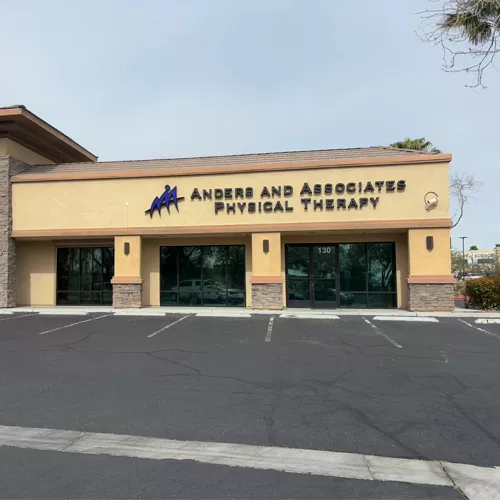
Anders & Associates is excited to announce the opening of our brand-new clinic in Las Vegas! We’re now open and accepting patients!
📍 New location: 6620 Sky Pointe Drive, Suite 130, Las Vegas, NV 89131
Exercise of the Month
LOWER TRUNK ROTATIONS
Start by lying face up on the floor with your knees bent. Allow your knees to slowly drop to one side. Your lower back should rotate, but your shoulders should stay flat on the ground. Hold for 30 seconds. Bring your knees back up and then drop them to the opposite side.
2 Sets, 2 Reps.

Kids Heading Back to School? Prevent Backpack Back Pain
Between laptops, tablets, and textbooks, heavy backpacks are a reality for students heading back to school this fall. When backpacks are worn incorrectly or overloaded, they can contribute to back pain—especially discomfort in the upper back and shoulders.
The good news? A few simple adjustments can help your child stay comfortable, improve posture, and start the school year feeling their best.
A Healthier Backpack Starts With Smart Habits
Proper backpack fit, lighter loads, and good posture habits can reduce unnecessary strain on your child's growing spine and help prevent aches throughout the school year.
Find the Right Fit
Choose a backpack that fits your child properly. It should sit comfortably against their back and rest near the hips rather than hanging heavily from the shoulders.
Keep It Lightweight
A backpack should not exceed 10% of your child's body weight. Use a scale to check that books, devices, and supplies are not creating unnecessary strain.
Encourage Good Posture
Teach your child to stand tall by lifting their chest upward and keeping their spine aligned for healthier posture throughout the day.
Help Your Child Start the Year Strong
Small changes can make a big difference when it comes to preventing backpack-related discomfort. If your child is experiencing back pain, poor posture, or difficulty keeping up with daily activities, contact Anders and Associates Physical Therapy to schedule a personalized assessment and discover strategies to help them move comfortably and confidently all school year long.