



Staying Active Is the Key to Finding Mental and Physical Balance

Staying Active Is the Key to Finding Mental and Physical Balance
Maintaining a balance between our mental and physical health has become increasingly challenging in today’s fast-paced world. The sedentary lifestyle that dominates much of modern society contributes to a host of physical ailments, ranging from back and neck pain to chronic conditions that affect our health and mental well-being.
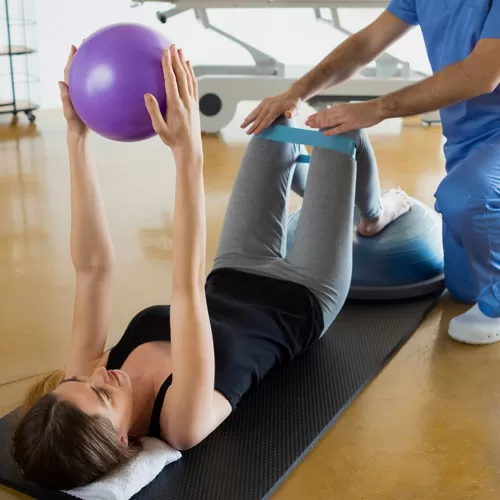
The relationship between the mind and body underscores the importance of staying active as an effective strategy for finding mental and physical balance. Physical therapy, often associated solely with injury recovery, plays a crucial role in helping people get and stay active.

The Link Between Physical Activity and Mental Health
Regular physical activity can have a profound impact on mental health. Exercise releases endorphins, known as the body’s natural mood elevators, which can help symptoms of depression and anxiety. Moreover, the discipline and routine associated with regular exercise can provide a sense of purpose and achievement, further enhancing mental well-being.
However, initiating and sustaining an active lifestyle can feel overwhelming, especially for those dealing with chronic pain or mobility issues. This is where physical therapy comes into play, bridging the gap between the desire for activity and the capability to pursue it.
Physical Therapy: More Than Just Rehabilitation
While physical therapy is traditionally viewed through the lens of rehabilitation, its scope extends far beyond recovery from injury. Our Anders and Associates Physical Therapy physical therapists are experts in movement and will design personalized exercise programs that cater to your unique needs and limitations. Our programs not only aim to improve physical health but also serve as a boost for mental health benefits.
Personalized Exercise Programs
A key component of physical therapy is the development of personalized exercise programs. These are tailored to the individual’s specific conditions and goals, whether improving mobility, reducing pain, or enhancing overall physical function and mental well-being.
Pain Management
Chronic pain is a common issue that significantly impacts an individual’s mental health, leading to feelings of frustration, depression, and anxiety. Physical therapy offers various techniques for pain management, such as manual therapy, therapeutic exercises, and education on body mechanics. By addressing the root cause of pain, physical therapy not only improves physical function but also contributes to mental relief and a more positive outlook on life.
Stress Relief and Relaxation
Physical therapy sessions often incorporate stress relief and relaxation elements, such as deep breathing exercises and targeted stretching. These techniques help the recovery process and have a calming effect on the mind, reducing stress and promoting mental clarity.
Boosting Self-Efficacy and Autonomy
One of the most significant mental benefits of physical therapy at Anders and Associates Physical Therapy is the focus on teaching our patients self-care. Learning how to manage one’s health effectively can empower you and give you control over your physical and mental well-being. This approach is crucial for your mental health, as it fosters resilience, self-reliance, and a proactive approach to tackling life’s challenges.
A Holistic Approach to Well-being
Our physical therapists believe in a holistic approach to health, recognizing the intricate connection between the physical and mental aspects of well-being. By promoting physical activity and addressing individual health challenges, our approach can significantly improve mental health, contributing to a more balanced and fulfilling life.
The Path Forward at Anders and Associates Physical Therapy
Starting your journey toward mental and physical balance through physical therapy begins with recognizing the value of staying active. For those struggling with physical limitations, chronic pain, or simply the inertia of a sedentary lifestyle, physical therapy offers a guided, supportive path to reclaiming an active and balanced life. The benefits extend beyond physical health, touching every aspect of well-being and paving the way for a happier, more balanced existence.
Staying active, with the support of physical therapy, offers a powerful means to achieving harmony between the mind and body. It’s a journey worth taking, one step at a time. Call today to schedule a consultation and get started on your road to mental and physical balance!
Your Progress Matters To Us!
Return to Anders and Associates Physical Therapy and Let’s Continue Your Journey to Wellness Together. Schedule Your Appointment Now!

Quick & Easy Seasonal Recipe
Slow-Cooked Ropa Vieja

Directions:
Cut steak into 6 pieces; sprinkle with salt and pepper. Heat a large skillet over medium-high heat; brown meat in batches. Transfer meat to a 5- or 6-qt. slow cooker. Add broth, vermouth, wine and tomato paste to pan. Cook 2-3 minutes, stirring to loosen browned bits from pan. Pour over meat. Top with onion, carrot, red pepper, Cubanelle pepper and oregano. Cook, covered, on low until meat is tender, 8-10 hours. Remove oregano sprigs; discard. Remove meat; shred with 2 forks. Return to slow cooker; heat through. Serve with rice and, if desired, additional oregano, lime wedges and green olives.
Ingredients:
- 1 beef flank steak (2 pounds)
- 1/2 tsp salt
- 1/2 tsp pepper
- 2 cups beef broth
- 1/2 cup dry vermouth
- 1/2 cup dry red wine/additional beef broth
- 1 can (6 oz) tomato paste
- 1 large onion, thinly sliced
- 1 large carrot, sliced
- 1 small sweet red pepper, thinly sliced
- 1 Cubanelle or mild banana pepper, thinly sliced
- 3 sprigs fresh oregano
- Hot cooked rice
Our Patients Get Great Results
“Absolutely amazing! I have done PT before with other companies and nothing compares. The consistency in customer service and the enhanced technology is above standard!”
– Keisha G.
Exercise of the Month
Cat/Cow Stretch
1 Set | 1 Rep | 2 Minute Hold
Begin on all fours. Place your hands below your shoulders and your knees below your hips. Arch your back towards the sky and bring your face towards your chest. Return to starting position. Now arch your back toward the ground and raise your face toward the sky. Alternate and repeat as directed by your provider.



How to Grocery Shop for Healthy Options
When it comes to grocery shopping, there are many options. If you find your weekly trip to the grocery store overwhelming, you’ve come to the right place.
The best way to start your grocery shopping is by thinking about your preferences and needs. For example, do you want to lose weight? How many people are you feeding? Once you’ve determined these factors, make a list of everything you think you may need.
Keep in mind that a diet high in protein and low in carbohydrates has been proven to be the most effective for weight loss. Protein is a building block of muscle, and it stimulates the hormone that helps you feel full. Protein also helps you maintain muscle mass during weight loss, which can help you maintain your metabolism.
The most important thing to remember is that you should be eating a balanced diet. This means that you should avoid overeating any one type of food.
For example, if you are overeating sugar or processed food, it might be time to change your diet. When shopping in the aisles, try to avoid ultra-processed foods, foods with high sugar content, or excessive amounts of red meat.
Here is an example of what a healthy grocery list may look like:
- Fruits: apples, blueberries, clementines, grapefruits, and avocados
- Vegetables: broccoli, asparagus, onions, spinach, peppers, zucchini, sweet potatoes, baby red potatoes, and butternut squash
- Beans and grains: chickpeas, brown rice, black beans, and quinoa
- Proteins: eggs, salmon, and skin-on chicken breast
- Nuts and seeds: roasted almonds, pumpkin seeds, and natural peanut butter
- Dairy and nondairy substitutes: oat milk, coconut milk, feta cheese, and full fat Greek yogurt
Thanks for Subscribing to Anders and Associates Physical Therapy
Meet Our Team

Kyra Moore
PT Technician

Jazmine Adame
PT Technician


Danesha Roberts
Front Office Manager