



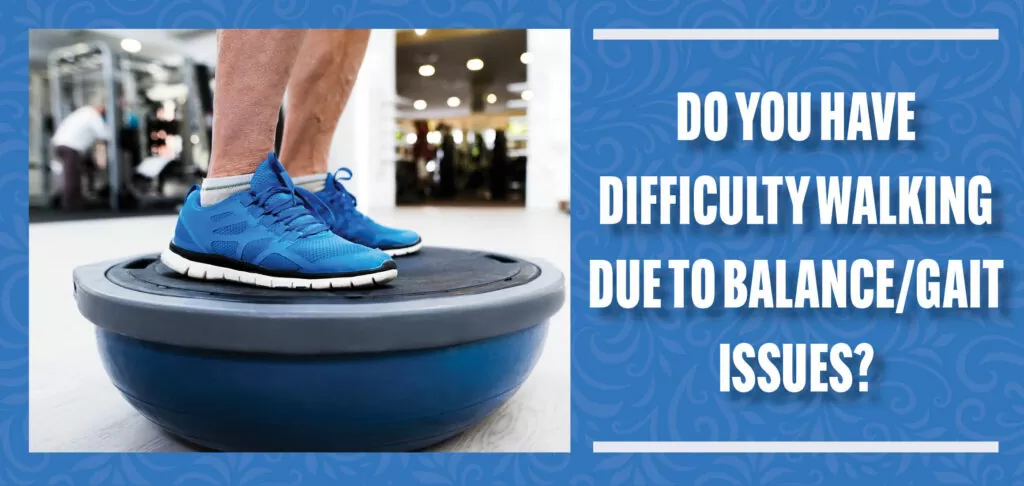
Do You Have Difficulty Walking Due to Balance/Gait Issues?
For Elizabeth, a vibrant 72-year-old retired teacher, life had always been about embracing every moment. She relished spending her days tending to her garden, meeting friends for tea, and sharing stories with her grandchildren. Yet, over time, something began to change, something she couldn’t quite grasp.
It started subtly. Elizabeth noticed that her once-steady gait had become somewhat unsteady. Her confident stride had given way to tentative steps. Each morning, as she rose from her bed, she couldn’t ignore the peculiar feeling of imbalance that now seemed to accompany her every move.
With a touch of anxiety creeping in, Elizabeth began to modify her daily routine. She avoided taking long walks, opting for shorter strolls instead. The thought of climbing stairs made her apprehensive, and she held onto handrails with an iron grip.
One sunny afternoon, over tea with a close friend, Elizabeth finally confided her concerns. Her friend gently suggested that Elizabeth consider seeking physical therapy to help address her balance and gait issues.
Hesitant but determined, Elizabeth decided to take the leap. She scheduled an appointment at Anders & Associates Physical Therapy to assess her condition and hopefully find a way to regain her confidence and mobility.
The First Step: A Comprehensive Evaluation
Elizabeth met with one of our skilled physical therapists with a lot of experience helping individuals like her on the day of her appointment. To begin, her therapist conducted a thorough evaluation, including questions about her medications, vision, and any other health concerns that could impact her stability.
Next, she performed a physical exam that included the following tests:
Range of motion:
The physical therapist assessed her range of motion in the joints of the lower extremities.
Muscle strength:
The therapist also tested her muscle strength in the lower extremities and core.
Observation:
Her physical therapist observed Elizabeth’s walking pattern and looked for abnormalities in her walking.
Footwear:
Finally, her footwear was evaluated to ensure it was appropriate for her daily routine and recreational activities.
As they reviewed the assessment results, her therapist explained that Elizabeth’s gait had patterns that were likely contributing to her feelings of instability and fear of falling. Fortunately, she also reassured her that they could work together to address these issues and help her regain her confidence.

Next Up: A Fall Risk Assessment
Her therapist also performed a fall risk assessment to get a complete picture. She asked Elizabeth more questions about her daily life, including specific questions about her home environment.
They discussed several measures to reduce obstacles at home that increase fall risks. Here are some common recommendations:
- Remove boxes, newspapers, electrical cords, and any other trip hazards from walkways.
- Move coffee tables, magazine racks, and plant stands from high-traffic areas.
- Secure loose rugs with a slip-resistant backing — or remove loose rugs from the home.
- Place non-skid mats, strips, or carpets on all surfaces that may get wet.
Her therapist then guided Elizabeth through a series of balance tests to identify specific areas of weakness or instability. These tests helped pinpoint the root causes of Elizabeth’s balance issues.
The Path to Recovery: Personalized Treatment Plan
With a comprehensive understanding of Elizabeth’s condition, her physical therapists designed a treatment plan tailored to her needs. The plan included a combination of mobility work, strengthening exercises, balance and coordination training, and gait activities.
As the weeks passed, Elizabeth noticed a remarkable transformation. Her unsteady steps began to regain their steadiness. She grew more confident with each session, and the fear of falling slowly ebbed away. She practiced walking on different surfaces and navigating obstacles under her therapist’s watchful eye, gradually rebuilding her trust in her abilities.
Regaining Confidence: Progress and Results
Elizabeth’s story is a powerful reminder that balance and gait issues can affect anyone, even without a specific injury or medical condition. Seeking the expertise of one of our skilled physical therapists can make all the difference in regaining confidence, improving mobility, and embracing life to the fullest.
If you or a loved one is struggling with balance and gait issues, don’t let the fear of falling hold you back. Reach out to Anders & Associates Physical Therapy today, and take the first step towards a safer, more stable future!
Your Progress Matters To Us!
Return to Anders and Associates Physical Therapy and Let’s Continue Your Journey to Wellness Together. Schedule Your Appointment Now!

May Word Scramble
edaldnnoi
nhiigfs
uuasrt
prsnig
eskbta
lveendar
Answer Key
dandelion
fishing
taurus
spring
basket
lavender

These Smoked Salmon, Avocado, and Cucumber Bites are crisp, refreshing, and packed with rich, savory flavor in every bite. They make an elegant yet easy snack or appetizer that’s perfect for light, feel-good indulgence.