


How Physical Therapy Helps Relieve Arthritic Hand Pain

Do you struggle with stiff, aching fingers? Is it difficult for you to pick up small objects, such as a pen or a toothbrush? Arthritis of the hands is relatively common, but that doesn’t make it any easier to live with. Fortunately, physical therapy at Anders and Associates Physical Therapy can help you find relief.
Arthritis is an umbrella term for over 100 conditions, all of which cause inflammation, pain, and restricted joint mobility. The two most common types of arthritis, osteoarthritis and rheumatoid arthritis, can both affect the hands.
While pain is never fun, hand pain can feel particularly debilitating. We use our hands constantly throughout the day. Think about the day-to-day hand-related activities you take for granted: picking up a fork, jotting down a note to yourself, scrolling through your phone. With hand arthritis, these tasks and more start to feel impossible.
Fortunately, physical therapy does offer several solutions for relieving arthritis-related hand pain. We’ll work with you to develop a customized treatment program that alleviates your pain, improves your mobility, and helps you do those small daily tasks throughout the day.
Call Anders and Associates Physical Therapy today to schedule your initial consultation!
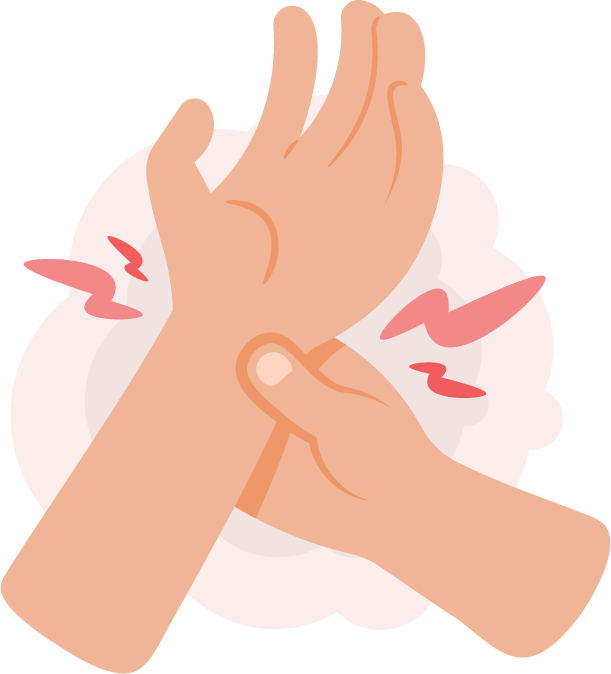
OA vs RA: Symptoms and Causes
The most common type of arthritis in the United States is osteoarthritis (OA), which occurs when a joint’s cartilage and bone tissue degenerate due to aging, injury, or other factors. While we frequently hear about hip and knee osteoarthritis, hand OA is also common, especially as people get older.
Osteoarthritis symptoms typically onset gradually and include the following:
- Hand pain that worsens with use. At first, the pain will come and go; eventually, it will become constant and more intense.
- Stiffness and restricted range of motion that, again, will worsen over time
- Grinding, clicking, or cracking noises in the hand joints
- Swelling and tenderness
- Weakened grip
Rheumatoid arthritis (RA) is the second most common form of arthritis in the United States. It’s an autoimmune disorder that causes your body’s immune system to attack your joints and is most likely to affect your hands, wrists, or knees.
Symptoms will follow a pattern in which they get worse (flares) or better (remission). Some symptoms are similar to OA, such as the following:
- Pain, usually in more than one joint
- Stiffness, tenderness, and swelling, usually in more than one joint
- Weakened grip
- Symptoms occur on both sides of the body (i.e., both hands)
However, RA often has additional symptoms unrelated to your joints, such as the following:
- Fatigue
- Fever
- Loss of appetite
How Physical Therapy Can Help You Find Hand Pain Relief
Neither osteoarthritis nor rheumatoid arthritis have a cure. In both cases, you’ll need to focus on managing your symptoms: reducing pain, improving mobility, and restoring joint function. If you have rheumatoid arthritis, it’s also important to work with a physician to put the disease into remission, as, if left untreated, it can have effects throughout your body.
Our team of physical therapists will work with you to create a customized treatment plan focused on providing hand pain relief. While we tailor every program to the patient, here’s what you can expect:
- Manual therapy refers to a set of hands-on, drug-free techniques for managing pain and inflammation while working to improve mobility. We might mobilize the small joints in your hand to improve the range of motion or gently manipulate soft tissue to reduce pain.
- Hand exercises are crucial in managing arthritis. While manual therapy helps with initial pain management, regularly moving the joint can impact your pain levels long-term. We’ll show you tailored exercises you can do in our clinic and at home.
- Braces and splints work to mobilize your hand and/or wrist, relieving pressure on your joints. They provide stability to your hands and help minimize further joint damage.
Finally, we’ll help you develop lifestyle strategies and modifications that can help reduce your symptoms by adjusting the specific movements that worsen your pain or restriction.
Wave Goodbye to Arthritic Hand Pain Today!
At Anders and Associates Physical Therapy, we know how difficult it can be to live with hand arthritis. Fortunately, our team of dedicated physical therapists can provide you with the tools you need to successfully manage your condition.
Ready to get started? Call our clinic to set up your first appointment!
Your Progress Matters To Us!
Return to Anders and Associates Physical Therapy and Let’s Continue Your Journey to Wellness Together. Schedule Your Appointment Now!
Discover Healthy Plate Pleasures
GLUTEN-FREE BREAKFAST HASH
Ingredients
- 5 medium-large potatoes washed and peeled
- 1 large white onion chopped
- 2 tbsp extra virgin olive oil
- 2 green onions trimmed and finely chopped
- 4 eggs
- 1/4 cup shredded cheddar cheese
- salt and pepper to taste
- 1/4 tsp paprika
Directions
Cut potatoes into 1/2 inch wedges. Heat olive oil in a large cast iron skillet or frying pan over medium heat. Cook potatoes for 25 minutes, covered, stirring every 4-5 minutes. Add chopped white onion. Cook for another 5-10 minutes, uncovered, and stirring constantly. When potatoes are crispy and golden brown, add green onions, salt, and pepper. Stir through. With your spatula, make four wells in the potatoes and crack an egg into each one. Sprinkle shredded cheddar all around. Cook until the egg whites are set, or until your liking. Cover pan with lid for poached eggs. Add more olive oil on eggs if desired. Sprinkle eggs with a pinch of paprika seasoning. Serve immediately.

Staff Spotlight
Danesha Roberts, Front Office Manager
Hello, my name is Danesha and I am the Front Office Manager here at Anders and Associates Physical Therapy. I have worked in the physical therapy field since 2005. I am originally from Tacoma, WA. I have lived in Las Vegas, Nevada for about a year in a half now. I relocated for better weather and its close location to the surrounding states. I purchased a townhome and work on house projects during my down time. I love cooking, hiking, skiing, and river rafting. I am excited to explore more of Nevada and to meet new people.
Exercise of the Month
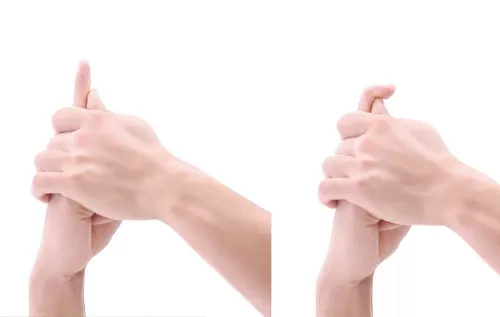
Finger Joint Blocking
Place index finger and thumb of one hand around middle of finger to keep finger straight. Bend and straighten only the end of finger. 20 reps, 3 sets

Our Patients Get Great Results
“Amazing! Got me in quickly. Gave me exactly what I needed and didn’t try to sell me on anything more. Everyone was very friendly and explained everything clearly. I highly recommend and I’m hard to please.”
– Kim B.
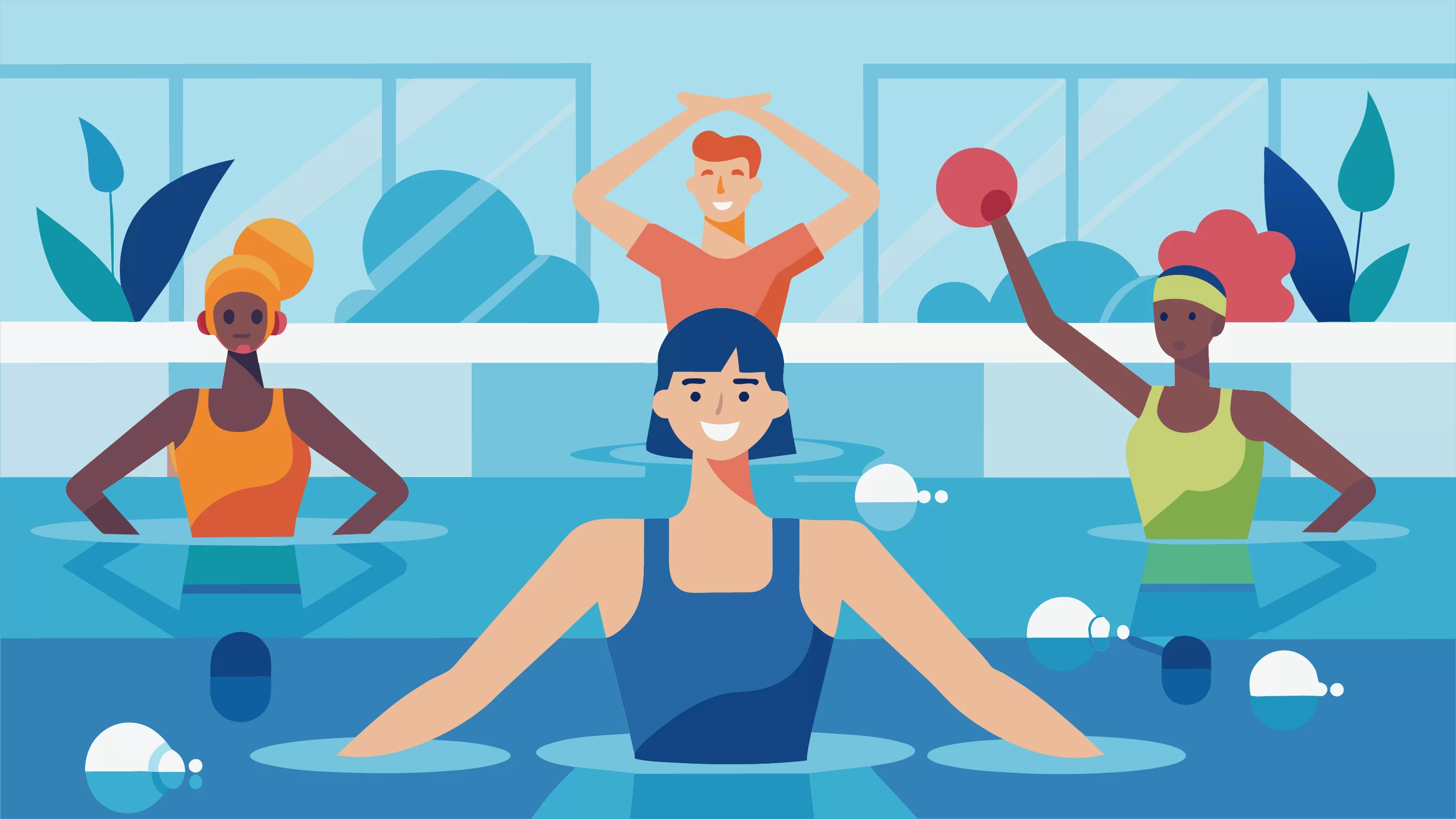
5 Pool Exercises For a Full-Body Workout
Looking for a break from your usual fitness routine? Dive into aquatic exercise! Exercising in water can provide a great full-body workout without some of the drawbacks of land-based exercises.
1. Walk in water. Walking in water is a good exercise to start off with as it helps you get a feeling for how you can create resistance. It targets your arms, core, and lower body. Keep your arms at your side, in the water, and move them as you walk. Engage your core and stand tall.
2. Water arm lifts. This exercise will help strengthen the muscles in your arms. Using foam dumbbells will help add more resistance. Stand in water up to your shoulders. Hold the dumbbells at your side, with your palms facing up. Draw your elbows in close to your torso as you lift your forearms to the height of the water. Rotate your wrists to turn your palms facedown. Lower your arms back to the starting position. Do 1-3 sets of 10-15 reps.
3. Lateral arm lifts. This exercise, which targets your upper body, is also best done with foam dumbbells. Stand in water up to your shoulders. Hold the dumbbells at your side. Raise your arms to the side until they’re level with the water and your shoulders. Lower your arms back down to your sides. Do 1-3 sets of 8-14 repetitions.
4. Back wall glide. This exercise helps to activate the muscles in your core and lower body. Hold onto the pool ledge, tuck your knees into your chest, and press your feet into the wall. Push off from the wall and float on your back as far as you can. Draw your knees into your chest, press your feet down to the bottom of the pool, and run back to the wall. Continue this exercise for 5-10 minutes.
5. Leg kicks. This exercise works the muscles in your core and legs. Use ankle weights to make it more challenging. Hold onto the pool ledge or hold a kickboard. Alternate flutter kicking, scissor kicking, breaststroke kicking, and dolphin kicking. Do each kick for 1-3 minutes.
Meet Our Team
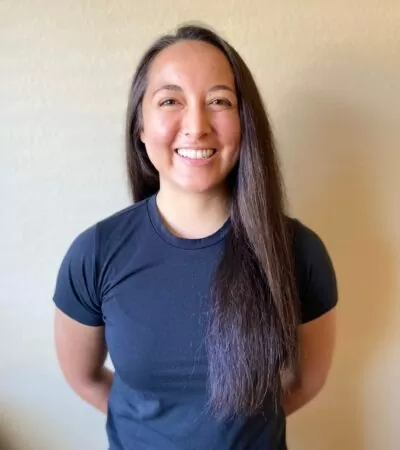
Kyra Moore
PT Technician
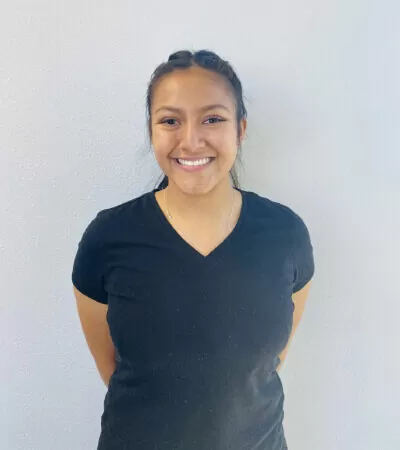
Jazmine Adame
PT Technician


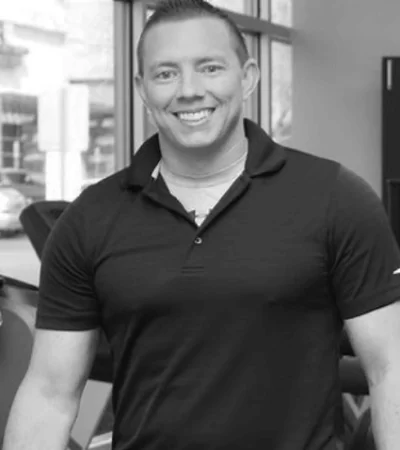
Danesha Roberts
Front Office Manager