


How Strength Training Can Improve Your Health

We’ve Expanded!
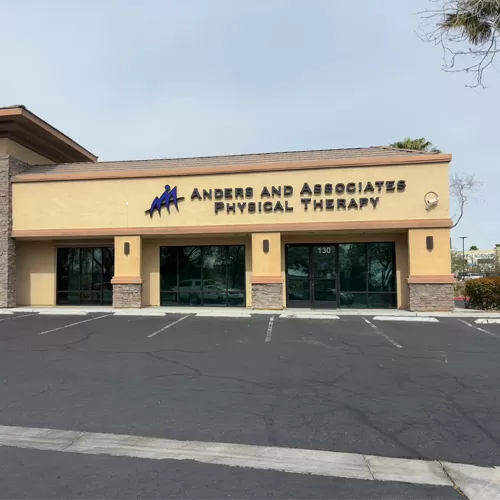
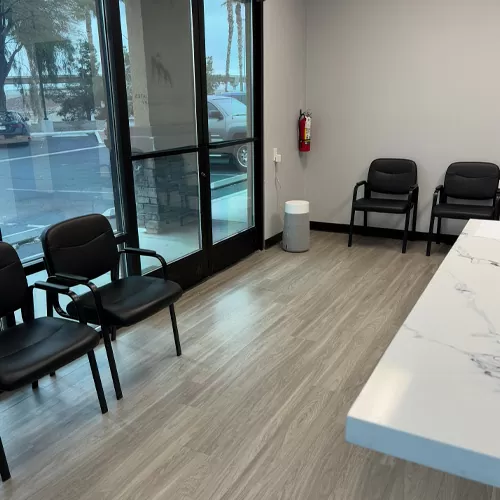
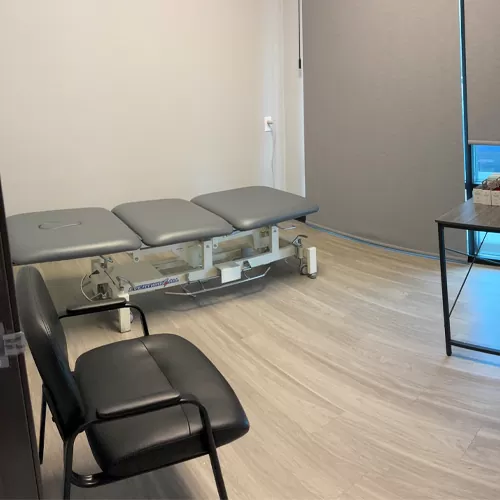
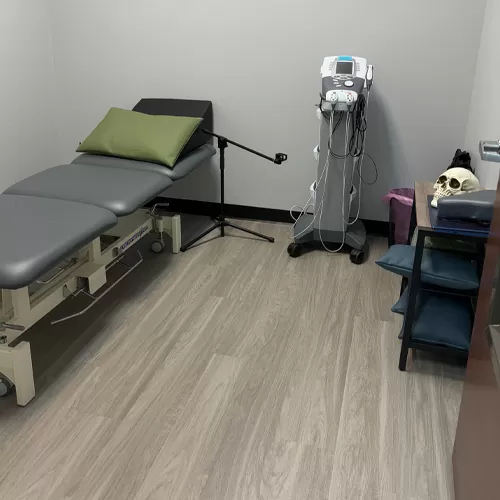
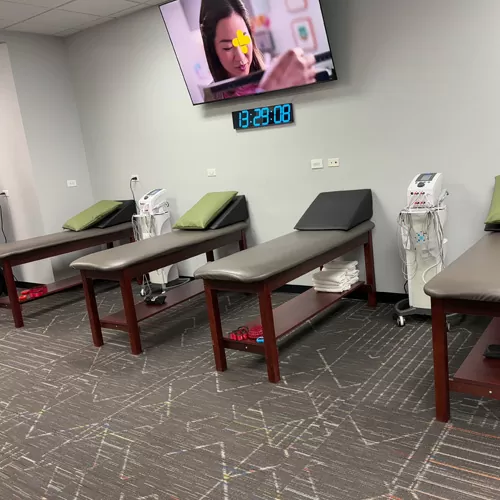
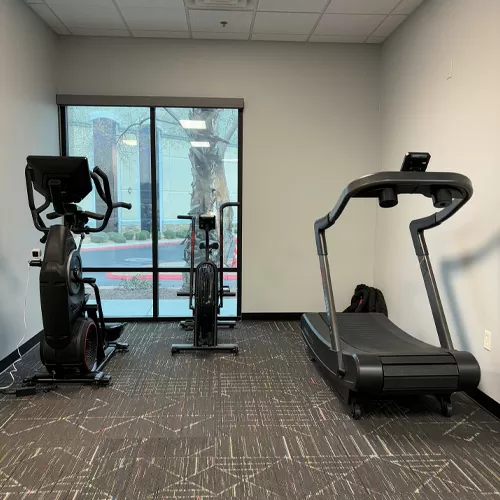
Anders & Associates is excited to announce the opening of our brand-new clinic in Las Vegas! We’re now open and accepting patients!
📍 New location: 6620 Sky Pointe Drive, Suite 130, Las Vegas, NV 89131
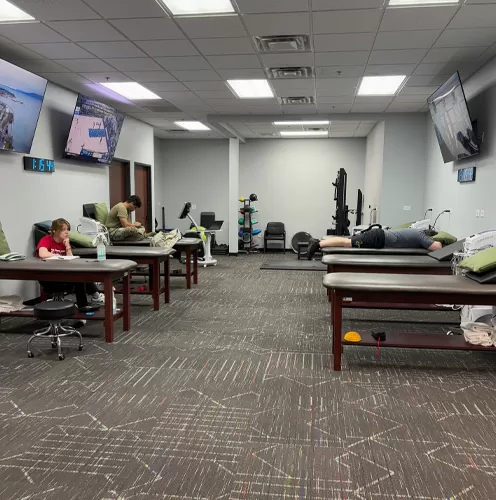
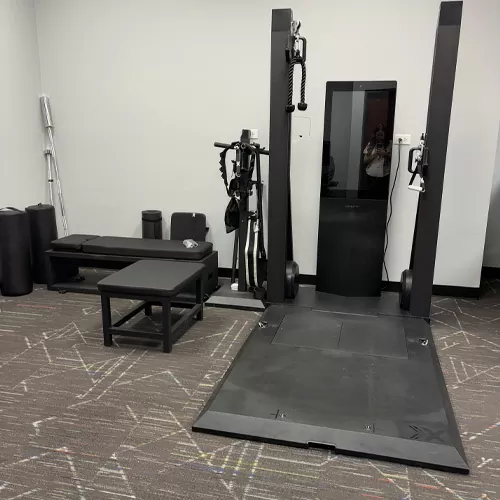
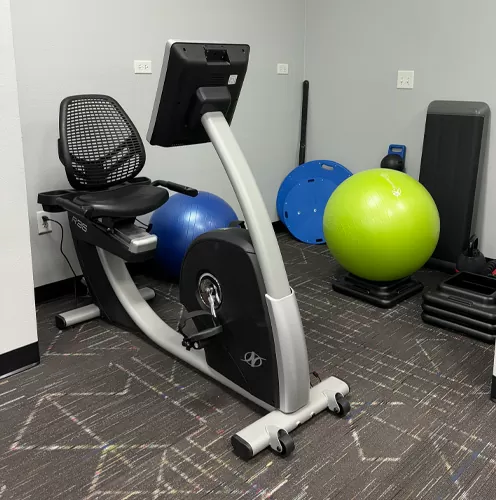
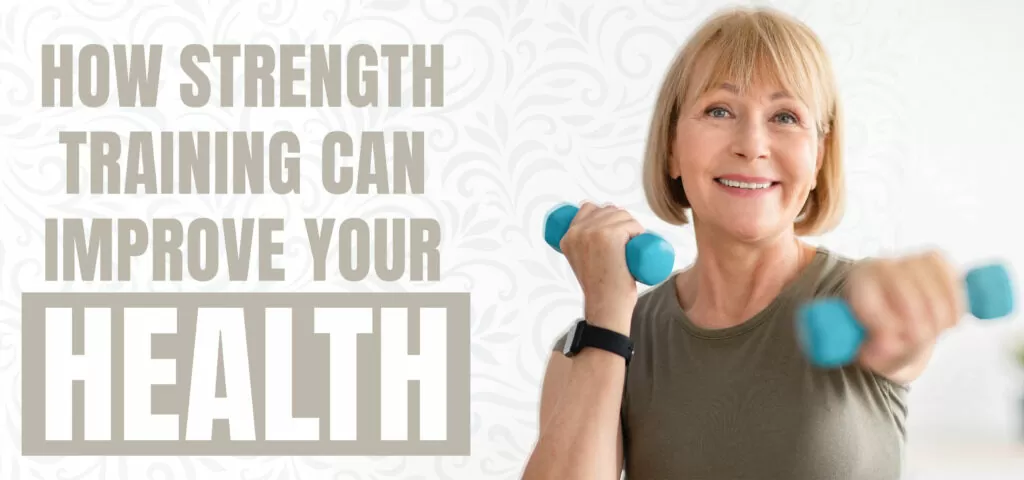
In the past, many people associated strength training with oiled-up, musclebound bodybuilders — and, as such, decided strength training wasn’t the workout for them. But that idea couldn’t be farther from the truth!
In a way, we get it. Strength training can be incredibly intimidating if you’re coming at it cold: you have to grapple with unfamiliar equipment, uncertainty about proper lifting techniques, and confusion about which exercises to perform. But once you find your footing, strength training is one of the best things you can do for your overall health and wellness.
At Anders and Associates Physical Therapy, we want to help make strength training accessible to all, regardless of age, health history, or ability level. To help you see the many benefits of strength training, we thought we’d share the stories of two patients: Alisha and Michelle.
Both of these patients are ordinary women in their late 50s. Neither were hardcore athletes, but both discovered the health benefits of strength training.

Alisha: A New Hobby in Middle Age
Alisha first came to see us after she injured her back while working in the garden. Like most older people, Alisha’s muscle mass had been steadily decreasing, and the resulting weakness had ultimately led to her injury.
We provided her with a customized treatment plan, including dedicated strength training focused on Alisha’s core and back. She was surprised by how much she enjoyed the exercises, including how great she felt after completing them.
As her rehabilitation neared completion, Alisha asked her physical therapist for more information about strength training. She had heard it was an important piece of osteoporosis prevention, something that had been in the back of her mind since the condition ran in her family.
We were more than happy to help Alisha out. Her therapist helped her develop a general strength training program using barbells and dumbbells. He walked her through each exercise, assessed her lifting form, and guided her on gradually increasing intensity.
The result? Alisha found a new hobby. She became an avid weightlifter, hitting the gym three times a week. Even better, she restored some of her lost muscle mass, and her garden activities became easier over time.
Michelle: A Resistance to Resistance Training
Michelle had developed osteoarthritis in her hips in her mid-50s. Although the pain wasn’t severe, she did find herself becoming less active than she’d prefer. Eventually, she contacted us for help managing and slowing her condition.
Regular exercise is one of the best ways to manage osteoarthritis pain, but Michelle was nervous about doing anything too strenuous — including strength training. She was especially wary of anything involving heavy weights.
However, strength training is an important piece of osteoarthritis management. Strong muscles stabilize and support the impacted joints, helping to relieve pressure (and symptoms).
Michelle’s physical therapist was sympathetic to her concerns, especially since low-impact exercises are generally better for people with osteoarthritis. To that end, she suggested Michelle start with a daily walking regimen, which would help get her used to physical activity while still building some muscle strength and endurance.
After a few weeks, Michelle’s therapists started her on simple bodyweight exercises that wouldn’t put too much pressure on her knee joints. They weren’t as difficult or painful as Michelle feared, and she eventually decided she wanted to add a little more resistance after all.
But she didn’t go all in with heavy barbells, as Alisha had. Instead, Michelle used a blend of resistance bands and light dumbbells. Her therapist provided the necessary guidance — and before Michelle knew it, she was performing strength training routines twice a week.
The result? Less pain and stiffness from Michelle’s arthritis meant more mobility and an easier time running errands, doing chores, and spending time with her loved ones.

How Will Strength Training Benefit You?
Good health means different things to different people. At Anders and Associates Physical Therapy, we focus on improving your overall function so you can do the things in your life that matter most. Whether you want to kickstart an intense strength training program (like Alisha) or simply ensure you’re meeting the CDC’s recommendation of 2 days of muscle strength work a week (like Michelle), we’ve got you covered.
Call us today to get started on your strength training journey!

Your Progress Matters To Us!
Return to Anders and Associates Physical Therapy and Let’s Continue Your Journey to Wellness Together. Schedule Your Appointment Now!

June Word Scramble
cresunnse
teaaldcsns
miwsmngi
avoatnic
gdenidw
refiifsle
Answer Key
sunscreen
sandcastle
swimming
vacation
wedding
fireflies

Cool off this summer with a vibrant Pitaya Smoothie Bowl—packed with antioxidants, tropical flavor, and eye-catching color. It’s a refreshing and energizing way to start your day or beat the heat. Top it with your favorite fruits and crunchy add-ons for the ultimate sunny-day treat!
Feel Better by Eating Better!
Pitaya Smoothie Bowls
- ⅔ cup frozen pineapple chunks
- 1 tablespoon light agave nectar
- ⅛ teaspoon salt
- 1 cup cubed fresh pink pitaya (dragon fruit), divided
- ¼ cup chia seeds
- ¼ cup sliced fresh strawberries
- ¼ cup sliced banana
- 2 tablespoons toasted unsweetened shredded coconut
- 2 tablespoons toasted unsalted pistachios
Combine pineapple, agave, salt and ¾ cup pitaya in a blender; puree until smooth, about 30 seconds. Stir in chia. Transfer to two bowls; chill for 15 minutes. Top each bowl with strawberries, banana, coconut, pistachios and the remaining ¼ cup pitaya.
Our Patients Get Great Results
“I love this PT office!! Everyone is professional and has great knowledge about my injury. Bailey is helping me with my shoulder and is amazing at helping me improve.. Joe, the owner, listens and really cares about his patients. They all do. Love it!”
-Regina M.
Exercise of the Month
DUMBBELL FRONT RAISE
Stand with feet shoulder-width apart holding dumbbells at your sides. Raise both arms straight in front of you to shoulder height, keeping elbows slightly bent. Lower slowly and repeat to strengthen the shoulders.
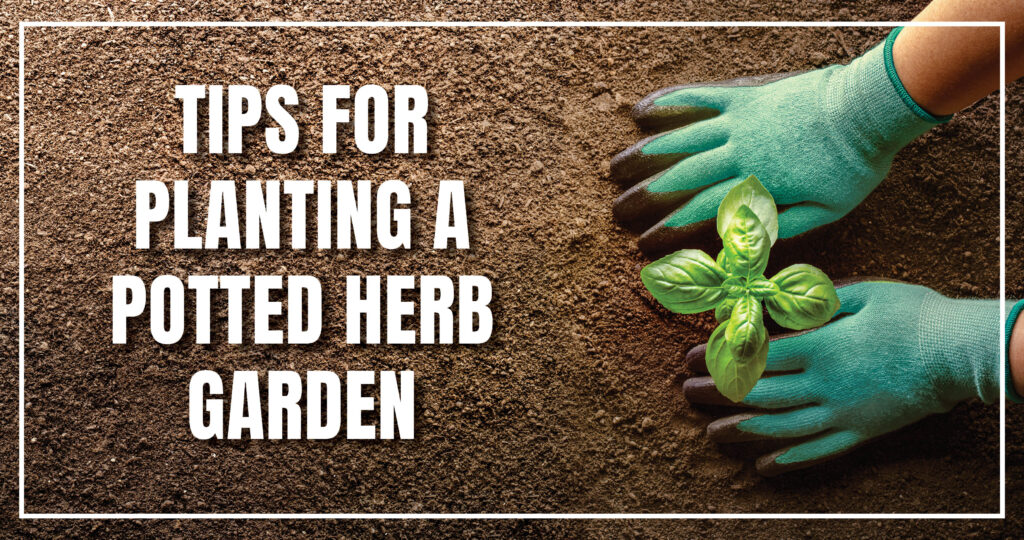
Have you been wanting to get into gardening, but don’t have the yard space? Consider planting a potted herb garden!
Container gardening is easy, convenient, and leaves you with a supply of beautiful fresh herbs. Almost any herb can be grown in a container, so the possibilities are endless!
Here are a few tips and tricks to ensure your potted herb garden is successful this spring:
1. Be mindful of what you plant.
One of the exciting things about a potted herb garden is that you can grow as many different types of herbs as you want in the same container. However, before you start planting, be sure to do some research on the sun, water, and soil requirements of each herb.
For example, rosemary prefers hot and dry conditions, whereas parsley requires consistent moisture. As a result, they would not get along in the same pot.
2. Choose the right container.
As long as it has good drainage, you can use almost anything as an herb container. However, it’s important to be aware that using smaller pots means you need to be extra cautious in how much you water your herbs. Too much or too little water can be especially detrimental to an herb in a small pot.
3. Use high quality soil.
The best way to ensure a healthy start to your container garden is by using high quality soil. Container soil should be lighter in density than traditional garden soil. You can also add organic matter, like perlite or peat moss, to the mixture to improve drainage and moisture retention.
We hope you’re feeling ready to get started on your potted herb garden this spring. Remember to have fun and good luck!
Thanks for Subscribing to Anders and Associates Physical Therapy
Meet Our Team

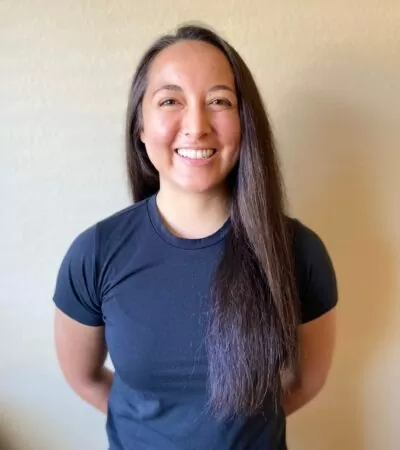
Kyra Moore
PT Technician
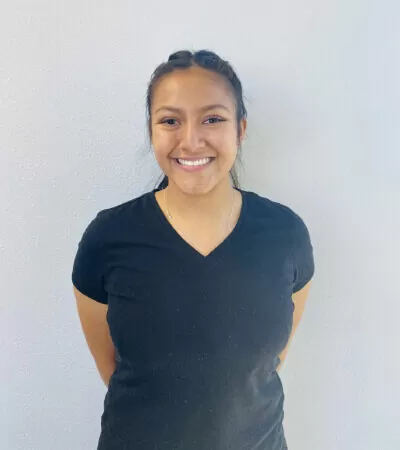
Jazmine Adame
PT Technician


Danesha Roberts
Front Office Manager