

Different Ways to Get a Concussion

When In Doubt, Have Your Head Injury Checked Out!
Chances are high that you’ve experienced that heart-stopping moment – a slip on the ice, a miscalculated header on the soccer field, or a sudden jolt in a car accident. The world spins, a sharp pain pierces your head, and a wave of confusion washes over you. Could it be a concussion?
Understanding Concussions
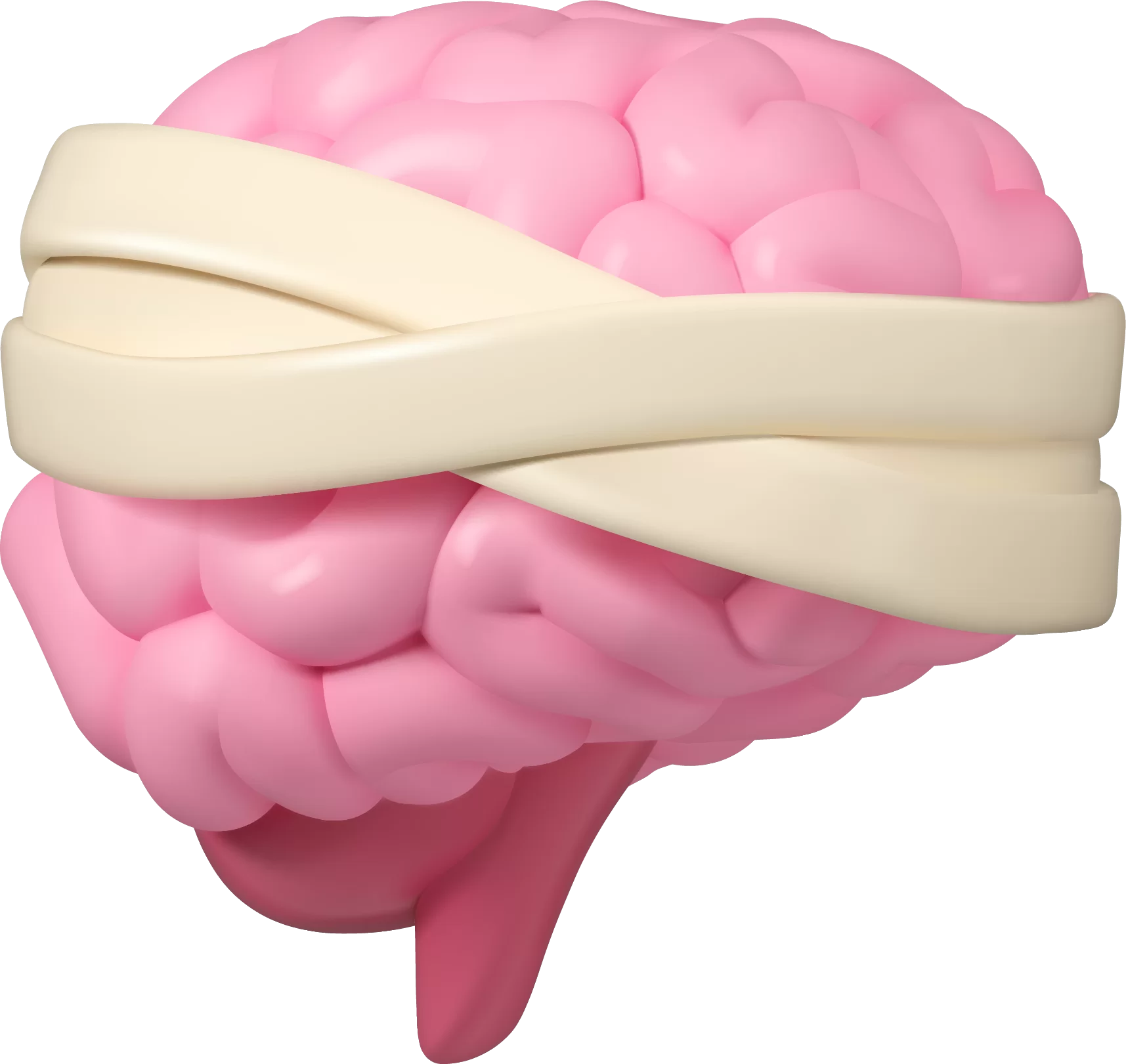
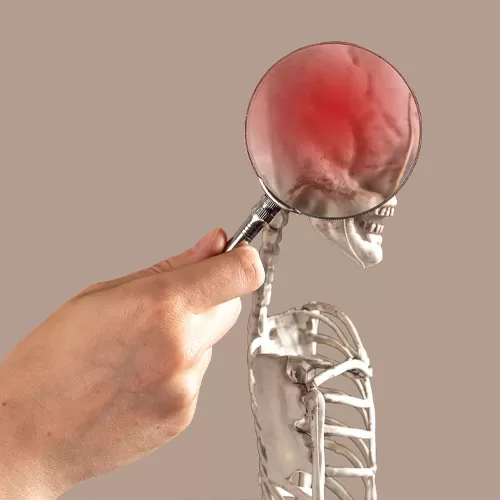
A concussion is a type of traumatic brain injury (TBI) caused by a bump, blow, or jolt to the head or body that causes the brain to move rapidly inside the skull. This sudden movement can stretch and damage brain cells, leading to a range of physical and cognitive symptoms.
Recognizing the Signs
The symptoms of a concussion can vary from person to person and may not appear immediately. Some common signs to watch out for include:
- Headache or a feeling of pressure in the head
- Nausea or vomiting
- Dizziness or balance problems
- Blurred vision
- Sensitivity to light or noise
- Feeling sluggish, hazy, foggy, or groggy
- Confusion or difficulty concentrating
- Memory problems
- Changes in mood or behavior, such as irritability or sadness
If you experience any of these symptoms following a head injury, don’t wait to contact Anders and Associates Physical Therapy for an evaluation.
Risk Factors
While anyone can sustain a concussion, certain factors increase the risk:
- Participating in contact sports like football, hockey, or rugby
- Engaging in high-risk recreational activities such as skiing, snowboarding, or skateboarding
- Having a history of previous concussions
- Being female (studies suggest females may be more susceptible to concussions than males)
- Being younger (children and adolescents are at a higher risk due to their developing brains)

The Top 5 Ways People Get Concussions
Falls
Falls are the leading cause of concussions, especially among young children and older adults. These can occur at home, at work, or during recreational activities.
Motor Vehicle Accidents
Car crashes, motorcycle accidents, and even bicycle collisions can result in significant head trauma and concussions.
Sports-related Injuries
Contact sports and high-impact activities often involve collisions that can lead to concussions.
Workplace Accidents
Construction workers, industrial workers, and others in physically demanding jobs are at risk of concussions from falls, equipment accidents, and other hazards.
Concussion Treatment At Anders and Associates Physical Therapy
At our office, we specialize in treating concussions and techniques to lower your risk of having one. Our experienced team will conduct a thorough evaluation, develop a personalized treatment plan, and provide guidance on safely returning to normal activities.
Don’t let a concussion keep you down. If you’ve experienced a head injury, act fast by scheduling an appointment with us today!
Your Progress Matters To Us!
Return to Anders and Associates Physical Therapy and Let’s Continue Your Journey to Wellness Together. Schedule Your Appointment Now!

Quick & Easy Seasonal Recipe
Easy Valentine’s Day Champagne Cupcakes

Directions:
Preheat oven to 350 degrees F (175 degrees C). Spray 24 muffin cups with cooking spray. Mix cake mix and 1 1/4 cup Champagne in a large mixing bowl; stir in vegetable oil and eggs. Beat batter with an electric mixer on medium speed for 2 minutes. Pour batter into the prepared muffin cups, filling them 3/4 full. Bake cupcakes in the preheated oven until a toothpick inserted into the middle of a cupcake comes out clean, about 20 minutes. Cool cupcakes in pans for 10 minutes before removing to finish cooling, about 30 more minutes. Mix butter, 1 cup confectioners’ sugar, 1/4 cup Champagne, and vanilla extract in a bowl. Stir in remaining confectioners’ sugar, 1 cup at a time, until frosting is smooth and creamy. Spread on cooled cupcakes.
Ingredients:
- Cooking spray
- 1 (18.25 oz) white cake mix
- 1 1/4 cups Champagne/sparkling white wine at room temperature
- 1/3 cup vegetable oil
- 3 eggs
- 1/2 cup butter, softened
- 4 cups confectioners’ sugar
- 1/4 cup Champagne or other sparkling white wine at room temperature
Our Patients Get Great Results
“Very professional. They do everything possible to help you and offer you what they have at their disposal to give you the optimal treatment for your condition. I am very pleased with the service they offer and the quality of service they have given me, especially Paul and Michelle. I highly recommend them”
– Yara P.
Exercise of the Month
Isometric Lateral Pressure
Start by sitting up straight in a chair with your back straight and your head up. Slightly open your mouth so your teeth are parted and place your fingers on one side of your jaw. Press sideways on the bottom of your jaw but do not allow your jaw to move. Hold briefly and then repeat on the other side. Continue as directed by your provider. Repeat 3 sets, 5 reps, 5-second hold.



February is Heart Health Month
When’s the last time you thought about your heart health? February is heart health month, so there’s no better time to give one of your most essential organs the attention it deserves.
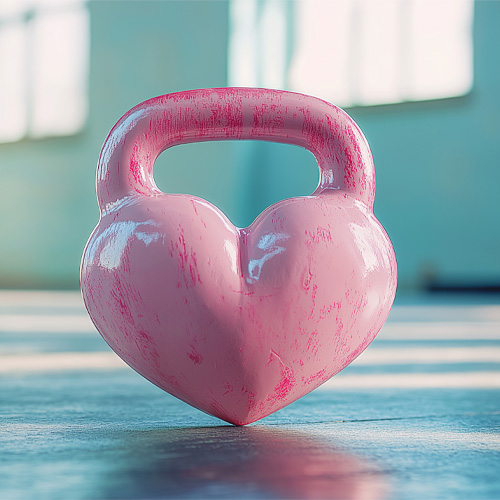
1. Exercise regularly
Regular physical activity can help you gain muscle strength and endurance. Exercise helps your cardiovascular system work more efficiently by delivering oxygen and nutrients to your tissues.
If you are not currently exercising regularly, start by taking a ten-minute walk around your neighborhood each day. From there, increase the amount of time you walk each day and quicken your pace. You will eventually be able to work up to a more strenuous activity, like running or biking.

2. Eat lots of fruits and vegetables
According to a study published in the International Journal of Epidemiology, eating ten servings of fruits and vegetables a day can lower your risk of cardiovascular disease by 28% and premature death by 31%.
Ten servings may sound like a lot, but remember that there are many ways to up your fruit and veggie intake. You could add fruit to your water, add vegetables to your fruit smoothie, and snack on carrots and hummus during the day instead of chips.
3. Manage your stress
Did you know that there are over 1,400 biochemical responses to stress? Some of these include a rise in blood pressure and a faster heart rate. For these reasons, stress can have long-term adverse effects on your health.
Try to take the time out of your day to practice mindfulness and check in with your body. Deep breathing activities and meditation can do wonders for anxiety. Practicing yoga may also help you decrease your stress levels.
Thanks for Subscribing to Anders and Associates Physical Therapy
Meet Our Team
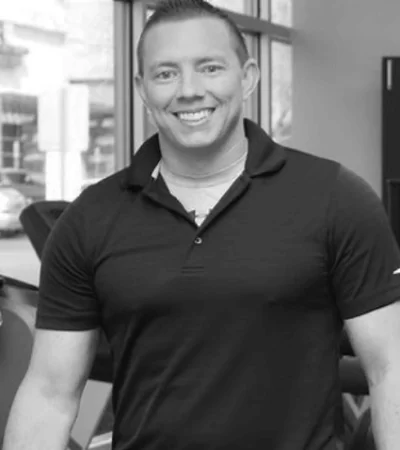
Kyra Moore
PT Technician

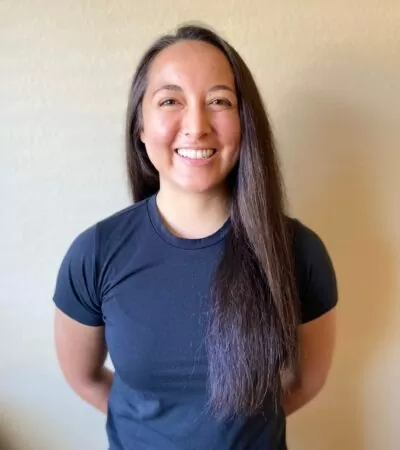
Jazmine Adame
PT Technician


Danesha Roberts
Front Office Manager