



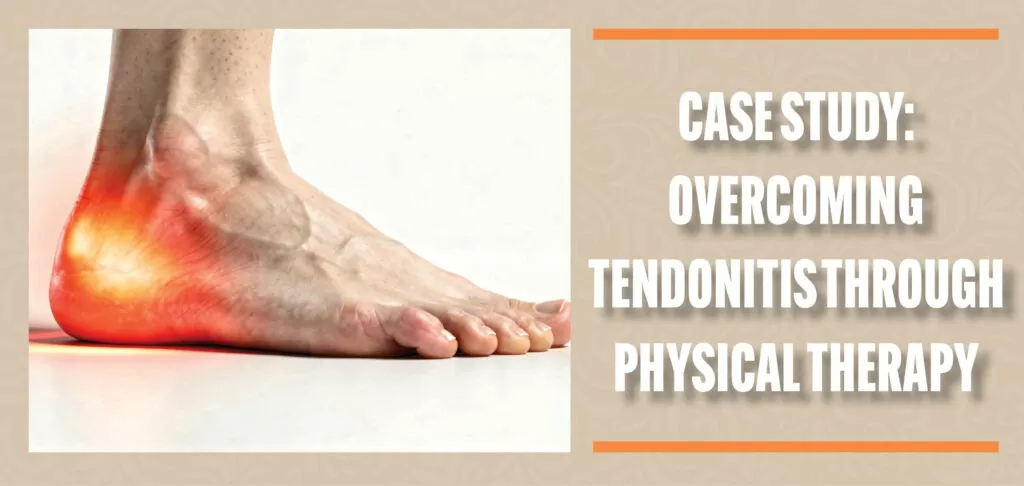
Case Study: Overcoming Tendonitis Through Physical Therapy
Introduction:
Tendonitis, a condition characterized by inflammation and irritation of tendons, can significantly impact one’s daily life. This case study follows the journey of Mark, a 45-year-old individual diagnosed with Achilles tendonitis, as he sought relief and recovery through physical therapy.
Patient Profile:
Name: Mark
Age: 45
Occupation: Sales Manager
Diagnosis: Achilles Tendonitis
Lifestyle: Active, enjoys running and outdoor activities
Initial Presentation:
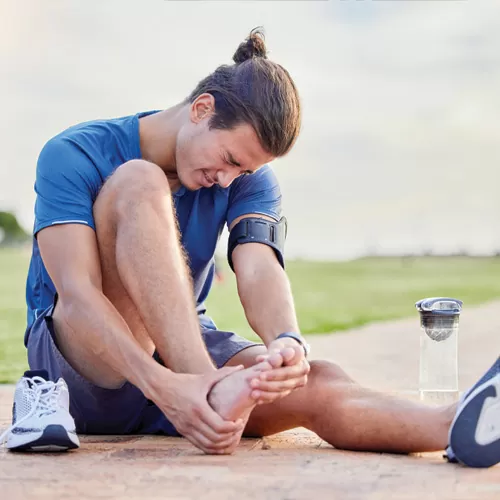
Mark presented with complaints of persistent pain and discomfort in his right Achilles tendon. He reported a gradual onset of symptoms over the past few months, primarily affecting his ability to engage in his favorite activities, such as running and hiking. His pain worsened during physical activities and after prolonged periods of sitting at his desk.
Physical Therapy Evaluation:
Assessment of Symptoms:
- Mark described his pain as a dull ache with occasional sharp, stabbing sensations in the back of his right heel and calf.
- He reported morning stiffness and difficulty initiating movement in his ankle.
- His pain was aggravated during activities such as running, stair climbing, and prolonged standing.
- He had no history of trauma or specific injury to the Achilles tendon.
Physical Examination:
- Gait analysis revealed a noticeable limp, favoring the non-painful leg.
- Palpation of the Achilles tendon indicated localized tenderness and swelling.
- Range of motion assessment showed reduced ankle dorsiflexion and calf muscle tightness.
- Strength testing demonstrated mild weakness in the calf muscles.
- Observation of Mark’s running form revealed biomechanical abnormalities contributing to the condition.
Diagnosis:
Based on the clinical evaluation and patient history, Mark was diagnosed with Achilles tendonitis. The primary contributing factors were overuse, altered biomechanics, and reduced ankle flexibility.
Treatment Approach:
Mark’s treatment plan was developed by his Anders & Associates Physical Therapy physical therapist and tailored to address his specific needs and lifestyle. The step-by-step approach to his recovery included:
1. Education:
Mark received comprehensive education on Achilles tendonitis, including its causes and contributing factors. He learned about the importance of proper footwear, load management, and the role of biomechanics in his condition.
2. Pain Management:
To alleviate initial pain and inflammation, Mark was introduced to modalities like ice application and manual therapy techniques to reduce localized swelling.
3. Range of Motion Exercises:
Mark was prescribed a series of stretching exercises to improve ankle dorsiflexion and reduce calf muscle tightness. He performed these exercises daily.
4. Strengthening Exercises:
A progressive strength training program was initiated to address calf muscle weakness. Exercises included calf raises, eccentric heel drops and other single-leg strengthening exercises like step downs and STAR reaches.
5. Biomechanical Analysis:
Mark’s running gait was assessed to identify and address faulty biomechanics contributing to his condition. He received guidance on proper running form and footwear selection.
Follow-Up and Outcome:
Over several weeks of diligent adherence to his treatment plan, Mark experienced significant improvements. His pain diminished, and he regained ankle flexibility and strength. Mark’s running form improved, and he could return to his favorite activities gradually.
Regular follow-up appointments at Anders & Associates Physical Therapy allowed for ongoing monitoring and adjustments to his treatment plan as needed. Mark learned to manage his condition effectively, recognizing the importance of continuing self-care and early intervention should any symptoms reoccur.
Conclusion:
Mark’s case illustrates the effectiveness of physical therapy at Anders & Associates Physical Therapy in managing and resolving Achilles tendonitis. Through a comprehensive evaluation and a tailored treatment plan addressing both the physical and biomechanical aspects of his condition, he was able to regain his active lifestyle and enjoy pain-free mobility once again.
His success is a testament to the importance of early intervention, education, and proactive self-care in overcoming tendonitis!
Your Progress Matters To Us!
Return to Anders and Associates Physical Therapy and Let’s Continue Your Journey to Wellness Together. Schedule Your Appointment Now!

April Word Scramble
olofs
rwhesso
sutpli
aiprodsnr
tlaeacprilr
angrde
Answer Key
fools
showers
tulips
raindrops
caterpillar
garden

These no-bake energy bites are quick to make, easy to digest, and perfect for fueling up before a run. They provide a balance of carbohydrates for quick energy and healthy fats to help you feel satisfied without weighing you down.