
Health Blog
The Role of Ergonomics in Back Pain Management: Promoting Comfort and Well-being

Back pain is an incredibly common issue–and worse, it often seems to develop out of nowhere! This is because factors like prolonged sitting, poor posture, and repetitive movements can all contribute to discomfort. Fortunately, ergonomics can help address those factors and make it easier for you to find relief.
Ergonomics is the science of designing spaces and tools to accommodate the body’s natural movements and reduce stress on muscles and joints.
Read full blogLifting Techniques at Work: Preventing Back Injuries Through Proper Handling
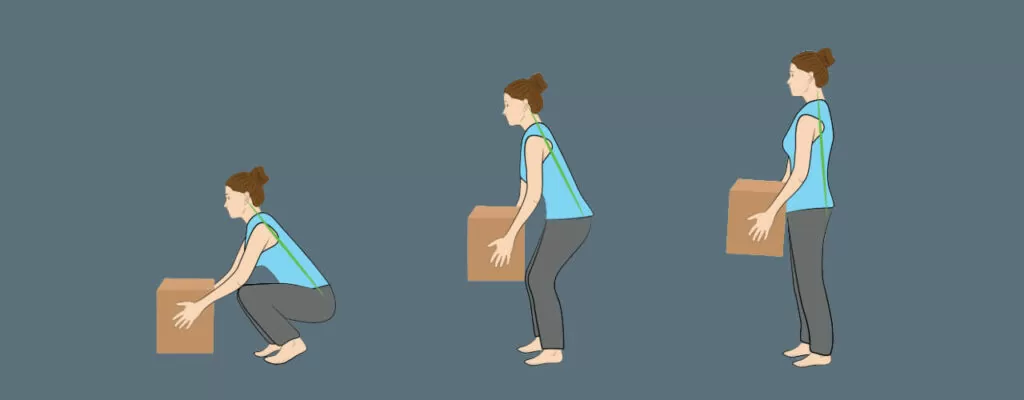
For Daniel (not his real name), a warehouse worker, lifting was a daily part of his job. After several months of managing heavy loads without paying close attention to his lifting form, he started experiencing dull, persistent back pain. Hoping to prevent further injury, Daniel sought help from , where he learned about safe lifting techniques at work to protect his back. His physical therapist guided him through proper handling techniques and introduced exercises to build resilience, helping Daniel alleviate his pain and avoid future injuries.
Read full blogLifestyle Changes to Support Knee Pain Management: What Works?
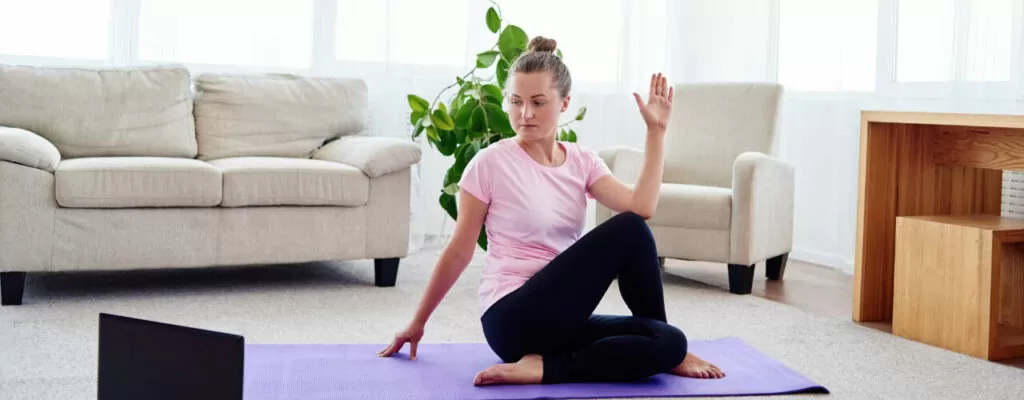
Knee pain is a common issue that can limit mobility and interfere with daily life. While various treatments are available, many people find relief by adopting certain lifestyle changes to support knee health. These knee pain lifestyle changes focus on reducing strain, improving joint stability, and supporting overall well-being. By incorporating these changes, individuals can manage knee pain more effectively and improve their quality of life.
Staying Active – The Role of Low-Impact Exercise
One of the most effective ways to support knee health is by engaging in low-impact exercise.
Read full blogErgonomic Workplace Setup: Creating a Comfortable and Injury-Preventive Workspace
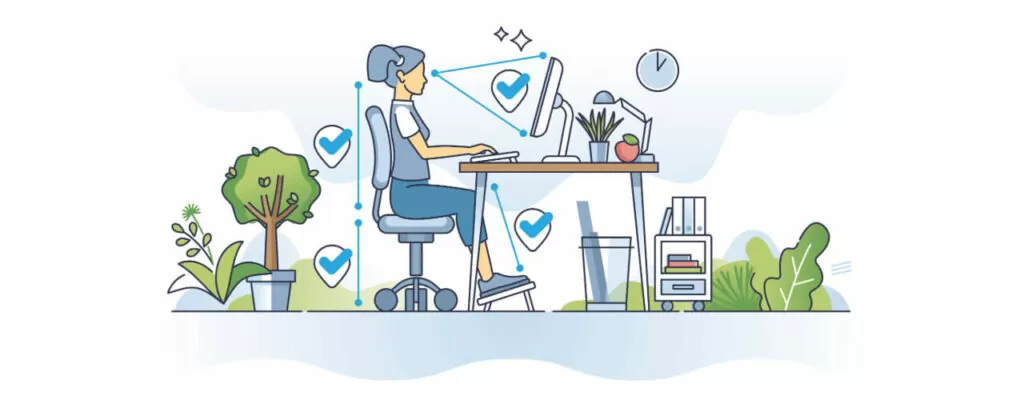
For many, the workplace is where they spend most of their waking hours, making it essential to have a workspace that supports both comfort and productivity. An ergonomic workplace setup helps prevent common injuries like back strain, wrist pain, and neck discomfort. Whether in a traditional office or a home workspace, creating a well-organized, supportive setup can significantly reduce strain and enhance daily comfort.
Desk Essentials – The Foundation of Comfort
An ergonomic workplace setup that supports proper alignment is crucial for reducing stress on the body.
Read full blogEnhancing Balance and Stability Through Physical Therapy

Meet Susan (not her real name), an avid hiker who loved exploring nature trails. Over time, she noticed she stumbled more often and lost her balance on uneven terrain. These issues affected Susan’s confidence, and shortly after she began avoiding her favorite trails altogether. Susan’s experience isn’t unique—many people face similar challenges that interfere with their hobbies, work, and overall quality of life. Balance disorders affect up to 15% of American adults annually.
Read full blogIT Band Syndrome: Treating Knee Pain in Athletes
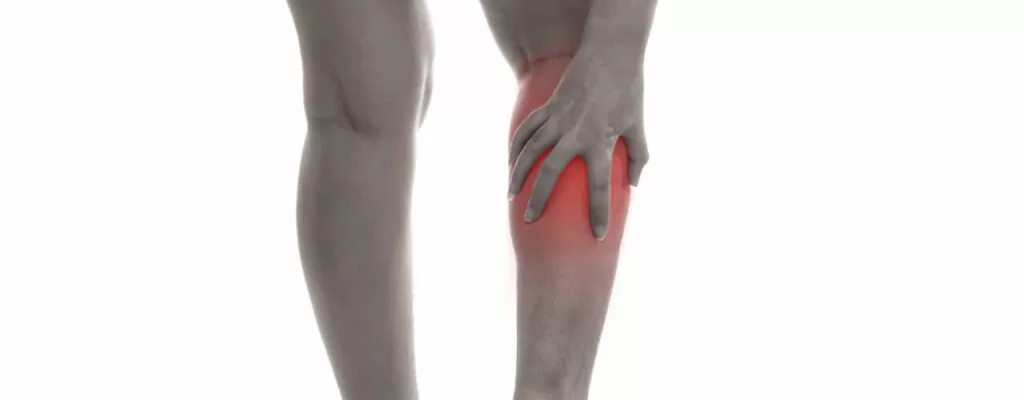
For Kevin (not his real name), a dedicated runner training for his next marathon, knee pain started as a mild annoyance. But over time, the discomfort worsened, ultimately sidelining him from training. Frustrated by his limited mobility and eager to find a solution, Kevin visited , where he was diagnosed with IT band syndrome. This common injury in athletes is characterized by pain along the outside of the knee, often caused by repetitive movements like running or cycling.
Read full blogCreating a Back-Friendly Environment at Home with Ergonomics

Back pain can be a constant challenge, especially for those who spend significant time at home. Setting up a back-friendly environment with ergonomics is one of the best ways to prevent discomfort and promote spinal health. By making adjustments to common areas in the home, individuals can reduce strain, improve posture, and support long-term back health. Ergonomics for back pain incorporates design principles that focus on creating comfortable, well-aligned spaces to encourage better posture and reduce pressure on the spine.
Read full blogErgonomics for Carpal Tunnel Syndrome Relief

What do cashiers, musicians, and hairstylists all have in common? The answer might surprise you: people who work in these jobs have a higher-than-normal risk of developing carpal tunnel syndrome, a condition that causes pain, numbness, and tingling in the wrist and hand. Fortunately, ergonomics for carpal tunnel syndrome can help soothe symptoms with just a few simple adjustments to your workspace.
Many people assume they’ll need to have surgery to address carpal tunnel syndrome, but in reality, conservative approaches–including physical therapy and ergonomic adjustments–are actually the frontline treatment for the condition.
Read full blogHow Poor Posture Can Lead to Back Pain
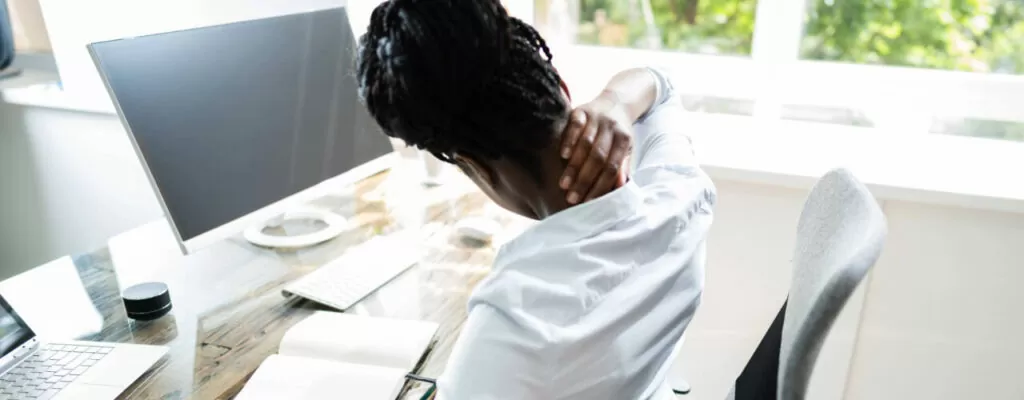
Back pain affects millions of people worldwide, often stemming from factors we encounter every day, like posture. Whether it’s slumping at a desk, hunching over a phone, or standing without proper alignment, poor posture contributes significantly to back pain. Understanding the connection between posture and back pain can help you build better habits for a healthier back. Here’s how you can break the cycle of discomfort and keep your spine in shape.
The Slump Trap – How Poor Posture Strains Your Spine
When we let our shoulders round and slump forward, we create excessive strain on the spine.
Read full blogGait Disorders After Hip Replacement: What You Need to Know
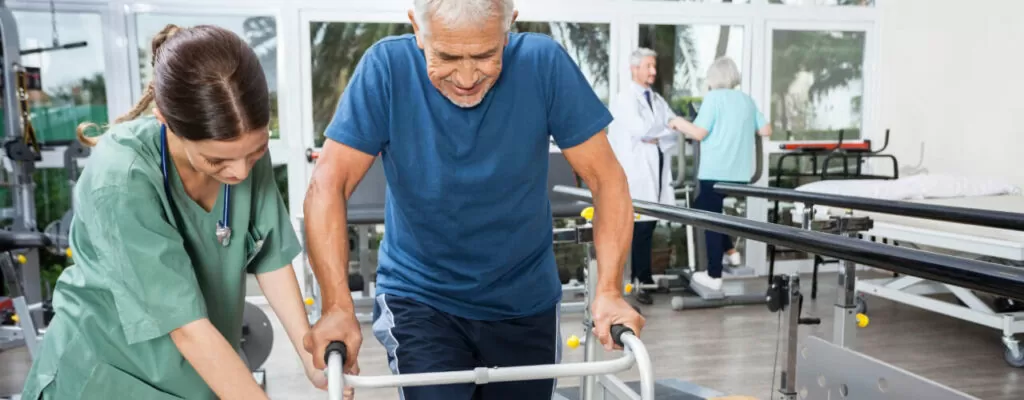
Hip replacement surgery can restore mobility and provide lasting relief from pain, but some people experience gait disorders after the procedure. Difficulty walking or feeling unsteady can hinder your recovery and make daily activities challenging. Physical therapy offers a targeted approach to address gait disorders after hip replacement, helping you regain strength, balance, and confidence.
Although hip replacement surgery is designed to improve mobility, the healing process can affect how you walk.
Read full blog