

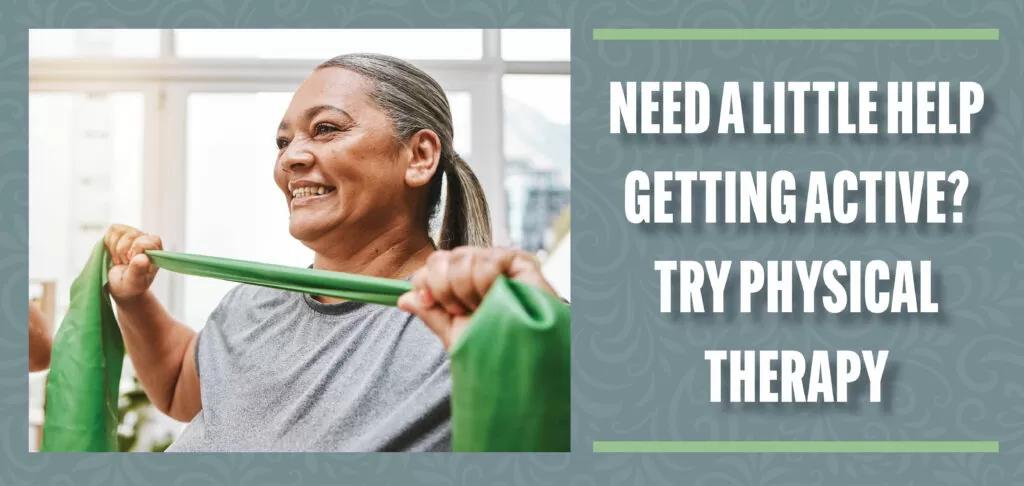
Need a Little Help Getting Active? Try Physical Therapy
You know that regular exercise is crucial to living a healthy lifestyle. The CDC recommends adults aim for 150 minutes of moderate activity a week–about 22 minutes a day, so you don’t have to toil away in the gym for hours. But hitting those numbers can still be a challenge, especially if you struggle with persistent pain or limited mobility.
That’s where physical therapy at Anders & Associates Physical Therapy comes in. We’re movement experts who understand all the impairments in your musculoskeletal system that can keep you from living the active, healthy lifestyle you crave. From pain management to maximizing your athletic performance, we’ll help you meet your exercise goals.
Here are just a few of the ways we can help you get healthier. Ready to get started? Call our clinic today!

We Can Reduce Pain and Restore Mobility
Many orthopedic conditions and injuries can make regular exercise feel difficult (if not impossible). Osteoarthritis, herniated discs, tennis elbow–all can make you feel like it’s easier just to sit this one out. In reality, though, all these conditions (and others) benefit from regular exercise.
Dealing with persistent pain or limited mobility? Our physical therapists offer several options for pain relief, including several manual therapy techniques, such as soft tissue manipulation, joint mobilization, or myofascial release. We use these techniques as the first step in preparing your body for regular movement.
We’ll also show you targeted, tailored exercises to reduce pain in the affected area. Joint pain often stems from muscular imbalances or postural impairments that stress the impacted joint, leading to discomfort and setting you up for more serious injuries. Strength training will help reduce your pain and get you moving again.
We Can Let You Know If You’re At Risk for an Injury
Did you know you don’t have to wait until you’re in pain to visit the team at Anders & Associates Physical Therapy? We’re in the business of preventing injuries, not just treating them–and we can help you enter into a new workout plan without fear!
Our comprehensive physical evaluations test the following:
- Muscle strength and endurance
- Overall mobility
- Biomechanics, which looks at how your body’s systems work together to get you moving
- Balance and fall risk
- Posture
- Walking patterns
- Functional movements that you might perform for work, hobbies, or recreation
During the screens, we’ll look for potential impairments that might cause injuries down the line and suggest corrections to address them–before they become a problem.
For example, let’s say that you want to take up running after some time away. During your assessment, we noticed that you tend to bend forward at the waist when jogging. This habit means that every time your foot hits the ground, you cause more impact in your feet than necessary, which could, eventually, lead to an injury.
By catching the form mistake now–and working with our physical therapists to correct it–you lower your chances of suffering a knee injury (which could prevent you from exercising altogether).
We Can Help You Exercise with Confidence
Starting a new exercise program for the first time–or restarting one after some time away–can be deeply intimidating. You don’t know which exercises you should do. You have no idea if you’re performing movements correctly. You’re not even sure what types of exercise you would enjoy.
Our physical therapists can help with all these concerns and more. We can suggest an exercise program that suits your abilities, interests, and goals and work with you one-on-one to guide you through any unfamiliar movements or equipment. We can also suggest movement or activity modifications if something’s too difficult and offer reassurance that even small changes can have a big impact.
Our team doesn’t just help beginners, either. As you progress, you may find yourself plateauing or struggling with certain aspects of your performance. Our therapists can get to the bottom of things and develop a performance improvement plan so you can see the results you’re looking for.
Start the Journey to An Active Lifestyle Today!
No matter your needs, the physical therapists at Anders & Associates Physical Therapy will help you get active in a way that works for you. Call us to schedule your initial consultation!
Your Progress Matters To Us!
Return to Anders and Associates Physical Therapy and Let’s Continue Your Journey to Wellness Together. Schedule Your Appointment Now!


This Crock Pot Irish Stew is a hearty, comforting classic that’s perfect for celebrating St. Patrick’s Day. Slow-cooked and full of rich flavor, it’s an easy, cozy meal to enjoy with family and friends. 🍀
Feel Better by Eating Better!
Best St. Patrick’s Day Crock Pot Irish Stew
- 2 lbs beef chuck roast, cubed
- 2 large potatoes, peeled and diced
- 2 cups diced carrots
- 1 envelope onion soup mix
- 2 (10¾ oz) cans tomato soup
- 1 soup can water
- 16 oz frozen peas
- salt and pepper, to taste
- parsley, for garnish
- Combine beef, potatoes, carrots, soup mix, tomato soup, can of water, salt and pepper in Crock Pot.
- Cook on LOW 8 hours.
- Add frozen peas and ¼ cup water.
- Cook on LOW 1 additional hour.
- Garnish with parsley.
Our Patients Get Great Results
“I love this PT office!! Everyone is professional and has great knowledge about my injury. Bailey is helping me with my shoulder and is amazing at helping me improve. Joe, the owner, listens and really cares about his patients. They all do. Love it!”
-Regena M.

We’ve Expanded!
Anders & Associates is excited to announce the opening of our brand-new clinic in Las Vegas! We’re now open and accepting patients!
📍 New location: 6620 Sky Pointe Drive, Suite 130, Las Vegas, NV 89131

Exercise of the Month
CALF RAISES
Stand tall with your feet hip-width apart and your hands resting on a chair or countertop for support. Slowly rise up onto the balls of your feet, lifting your heels off the ground. Hold briefly at the top, then lower back down with control.
3 Sets, 10 Reps. (Materials needed: chair or countertop for balance)
Exercise & Mental Health
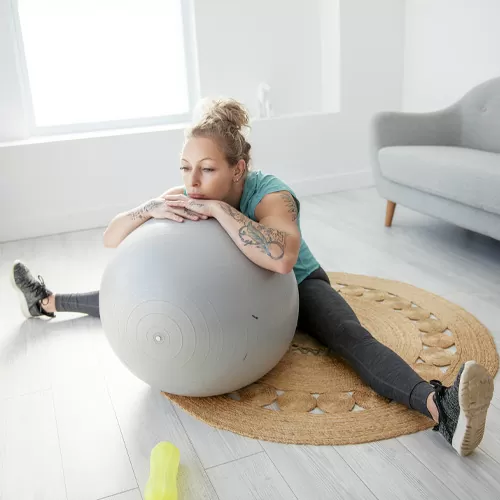
Everyone knows that regular exercise is good for the body. But exercise is also one of the most effective ways to improve your mental health. Regular exercise can have a profoundly positive impact on depression, anxiety, ADHD, and more. It also relieves stress, improves memory, helps you sleep better, and boosts overall mood. And you don’t have to be a fitness fanatic to reap the benefits. Research indicates that modest amounts of exercise can make a difference. No matter your age or fitness level, you can learn to use exercise as a powerful tool to feel better.
Exercise and depression. Maintaining an exercise schedule can prevent you from relapsing. It promotes all kinds of changes in the brain, including neural growth, reduced inflammation, and new activity patterns that promote feelings of calm and well-being. It also releases endorphins, powerful chemicals in your brain that energize your spirits and make you feel good. Exercise can also serve as a distraction, allowing you to find some quiet time to break out of the cycle of negative thoughts that feed depression.
Exercise and anxiety. Anything that gets you moving can help, but you’ll get a bigger benefit if you pay attention instead of zoning out. By adding this mindfulness element—really focusing on your body and how it feels as you exercise—you’ll not only improve your physical condition faster, but you may also be able to interrupt the flow of constant worries running through your head.
Exercise and ADHD. Exercising regularly is one of the easiest and most effective ways to reduce the symptoms of ADHD and improve concentration, motivation, memory, and mood. Physical activity immediately boosts the brain’s dopamine, norepinephrine, and serotonin levels—all of which affect focus and attention.
Exercise and PTSD and trauma. Evidence suggests that by really focusing on your body and how it feels as you exercise, you can actually help your nervous system become “unstuck” and begin to move out of the immobilization stress response that characterizes PTSD or trauma. Instead of thinking about other things, pay close attention to the physical sensations in your joints and muscles, even your insides as your body moves. Exercises that involve cross movement and that engage both arms and legs—such as walking (especially in sand), running, swimming, weight training, or dancing—are some of your best choices.
Outdoor activities like hiking, sailing, mountain biking, rock climbing, whitewater rafting, and skiing (downhill and cross-country) have also been shown to reduce the symptoms of PTSD.
When you’re under the cloud of an emotional disorder and haven’t exercised for a long time, setting yourself extravagant goals like completing a marathon or working out for an hour every morning will only leave you more despondent if you fall short. Better to set yourself achievable goals and build up from there.
Thanks for Subscribing to Anders and Associates Physical Therapy
Meet Our Team


Kyra Moore
PT Technician

Jazmine Adame
PT Technician


Danesha Roberts
Front Office Manager