
For Daniel (not his real name), a warehouse worker, lifting was a daily part of his job. After several months of managing heavy loads without paying close attention to his lifting form, he started experiencing dull, persistent back pain. Hoping to prevent further injury, Daniel sought help from Anders & Associates Physical Therapy, where he learned about safe lifting techniques at work to protect his back. His physical therapist guided him through proper handling techniques and introduced exercises to build resilience, helping Daniel alleviate his pain and avoid future injuries.
Understanding the Impact of Improper Lifting
Improper lifting is one of the most common causes of back pain in the workplace. Many workers like Daniel experience back strain from bending at the waist, twisting, or using their lower back instead of their legs to lift. These movements place significant stress on the spine, especially the lower back, where most work-related back pain originates. When the spine bears the brunt of the load without support from other muscle groups, it becomes susceptible to muscle strains, ligament sprains, and even disc injuries.
Daniel’s physical therapist explained that symptoms of lifting-related back pain can range from mild aches to more intense discomfort, affecting daily activities like standing, walking, or even sitting. By understanding the impact of improper lifting on his back, Daniel realized that adjusting his approach could prevent further pain and help him perform his job safely.
Safe Lifting 101 – Techniques That Protect Your Back
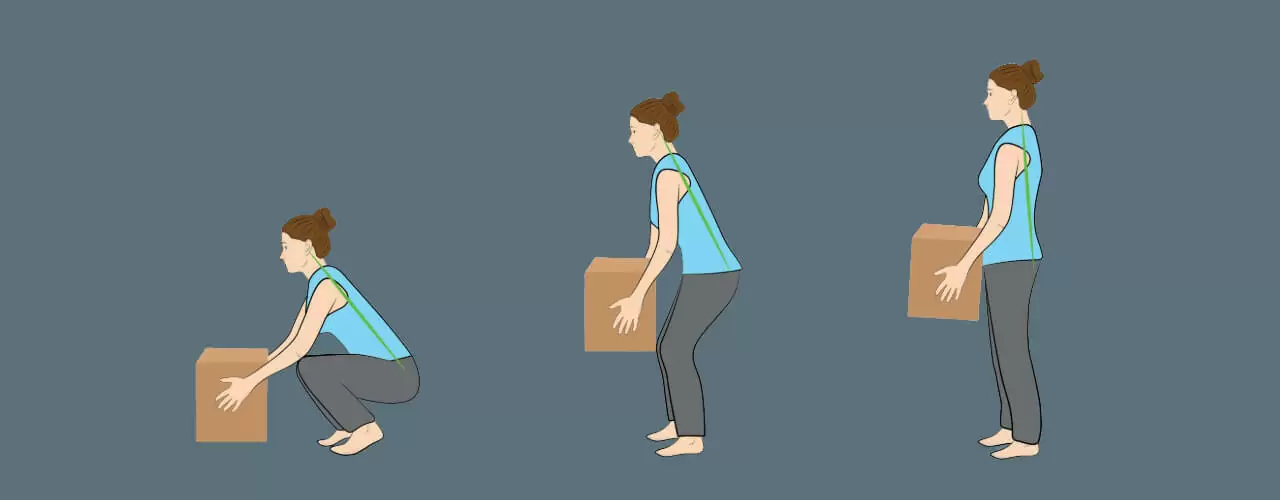
To lift safely, practicing techniques that support the spine and engage the body’s strongest muscles is essential. Daniel’s therapist demonstrated several core principles for safe lifting that he could apply to his daily tasks:
Bend at the Knees, Not the Waist:
- One of the most critical steps in safe lifting is bending at the knees rather than the waist. This movement uses the legs’ power to carry the load instead of placing the burden on the lower back. By squatting down to pick up an object and keeping his back straight, Daniel could protect his spine from unnecessary strain.
Keep the Load Close to the Body:
- Holding an object close to the body’s center of gravity minimizes strain on the back. Keeping the item close prevents leverage from pulling on the spine, reducing the risk of overextension. Daniel practiced lifting items while keeping them near his torso, which helped distribute the weight evenly.
Engage the Core:
- Engaging core muscles provide stability for the spine during lifting, helping to maintain good posture. Core engagement protects the lower back by creating a supportive “brace” around the spine. Daniel learned to activate his core before lifting, which kept his body steady and his movements controlled.
Avoid Twisting Movements:
- Twisting while lifting can stress the lower back, especially when carrying a heavy load. Daniel’s therapist recommended that he turn his whole body instead of twisting his spine when placing items in different directions. This technique reduced the twisting force on his back and helped him move more efficiently.
By applying these lifting techniques at work, Daniel found lifting much safer and more manageable. These adjustments were simple yet effective, enabling him to perform his job while reducing strain on his back.
Preventing Back Injuries Starts with Proper Technique and Anders & Associates Physical Therapy
Daniel’s experience highlights the importance of using lifting techniques at work to prevent back injuries. By learning to bend at the knees, engage the core, and avoid twisting, he could lift more safely and with greater confidence. With the added support of physical therapy, Daniel now has the tools to manage his workload while protecting his back health. For anyone struggling with work-related back pain, the team at Anders & Associates Physical Therapy is here to help you develop safe lifting habits and build the strength needed for long-term well-being. Contact us today to learn more about preventing back pain and staying strong at work!